

Real Estate Media
👉 Ready to elevate your listings?
Call me today 903-660-PICS (7427) or Send a Text!
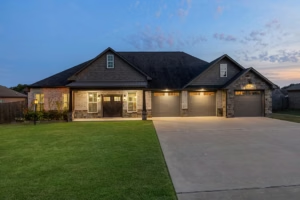
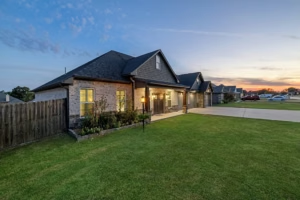
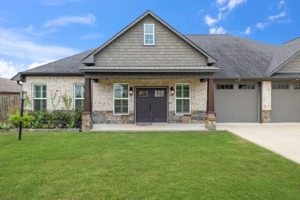
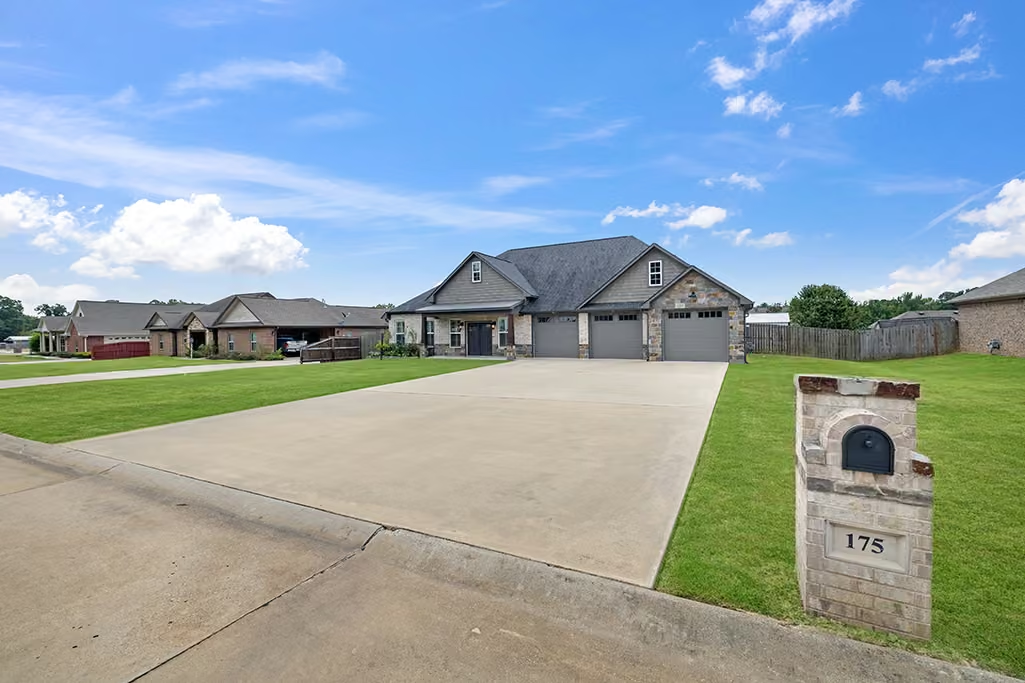
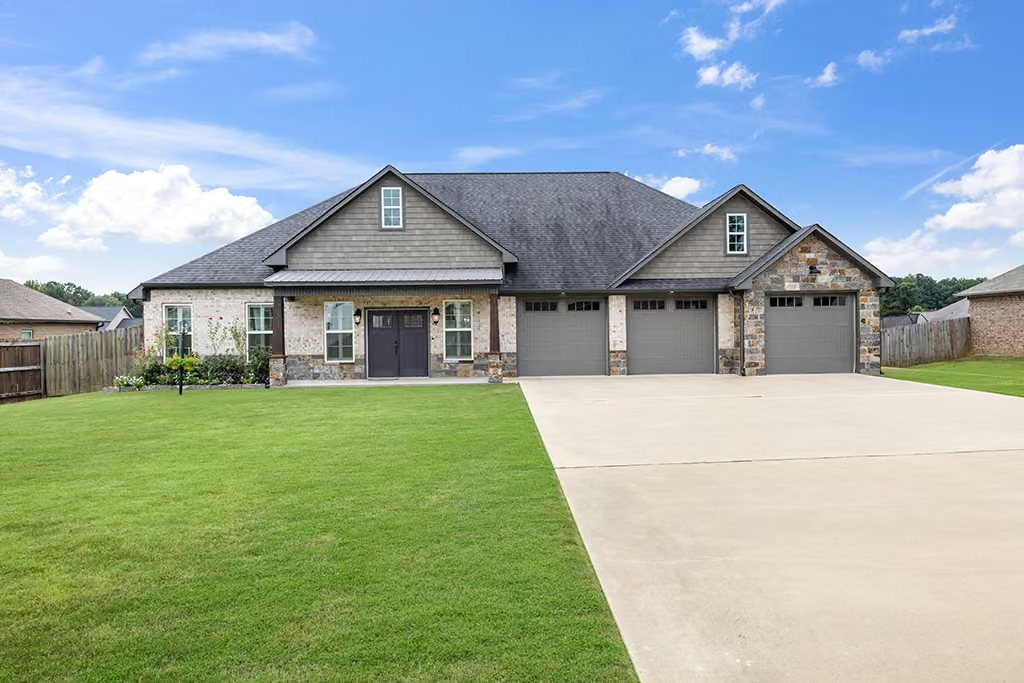
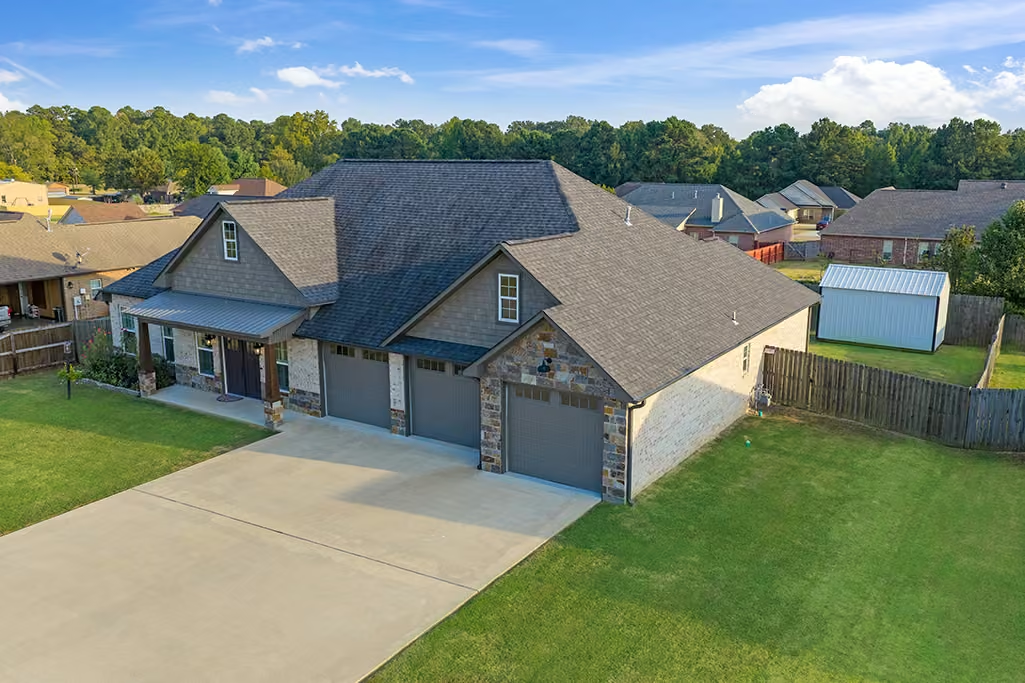
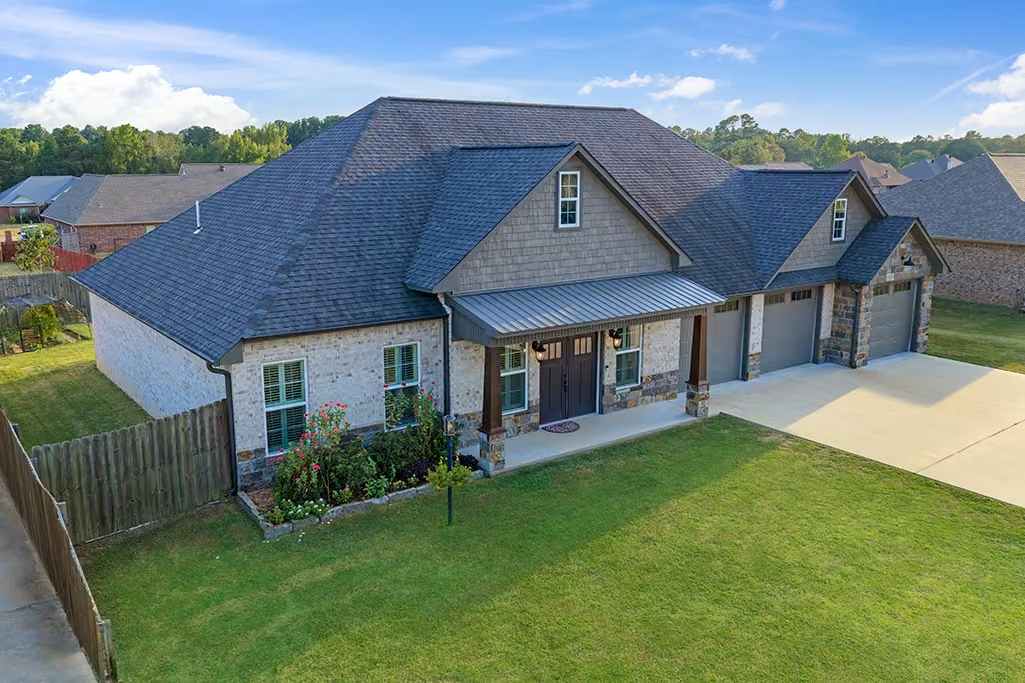
Real Estate Media for a Texarkana Luxury Home
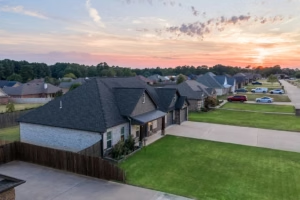
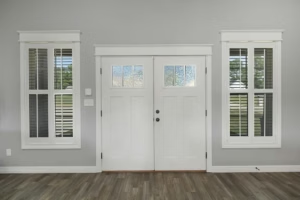
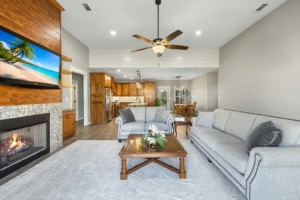
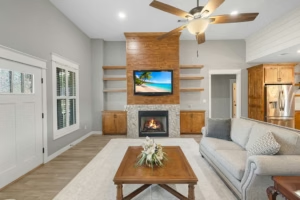
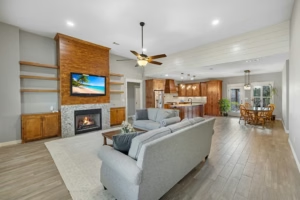
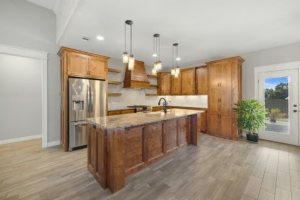
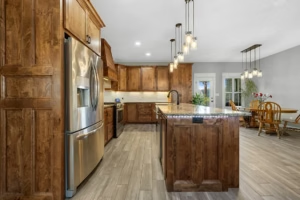
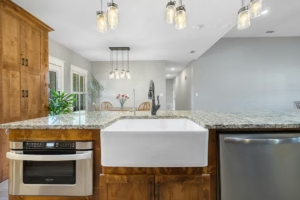
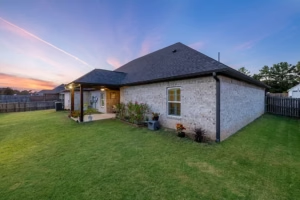
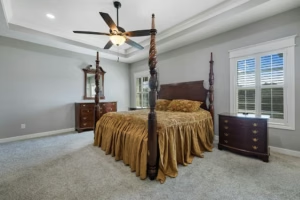
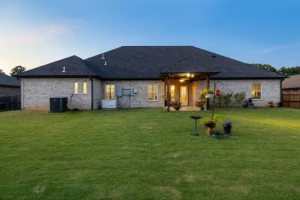
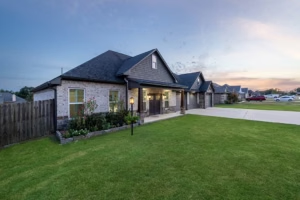
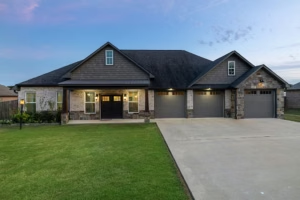
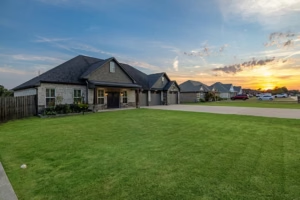
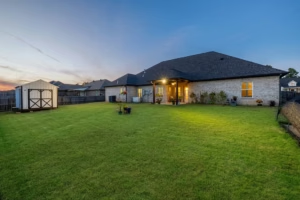
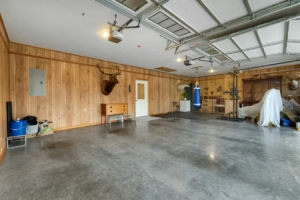
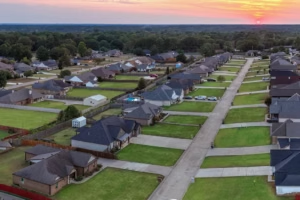
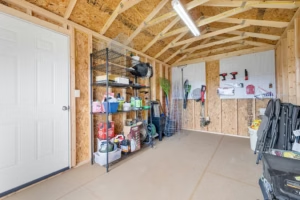
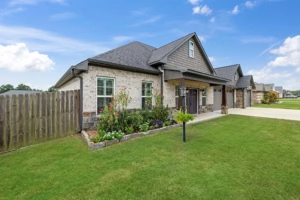
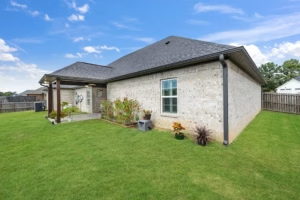
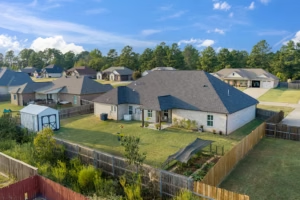
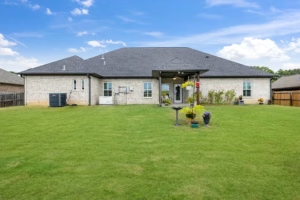
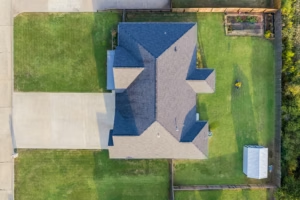
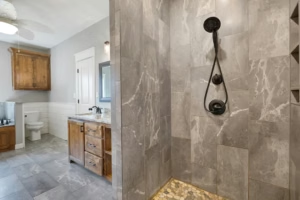
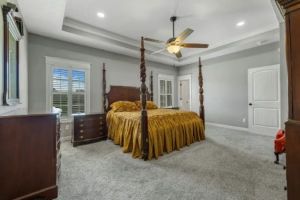
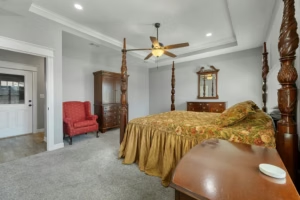
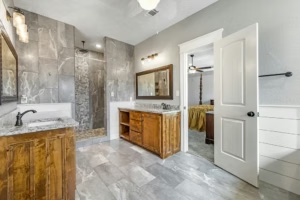
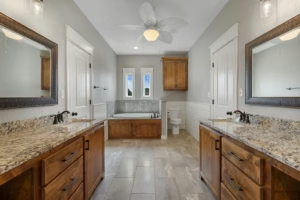
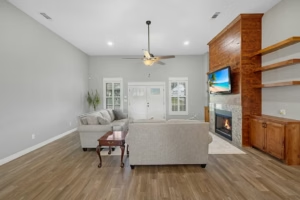
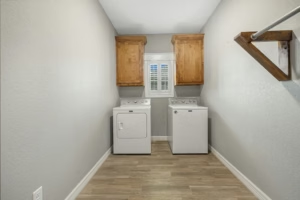
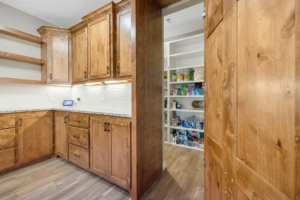
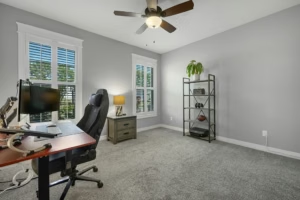
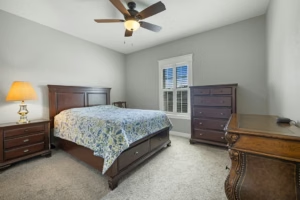
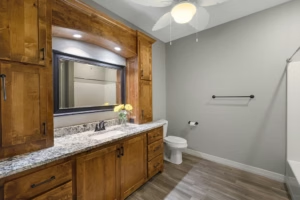
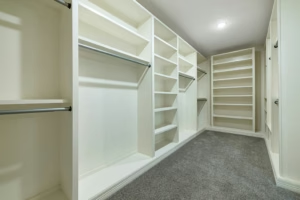
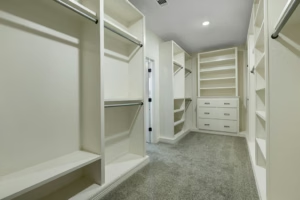
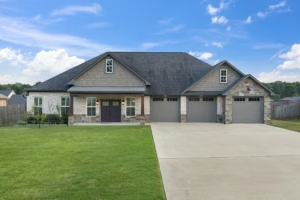
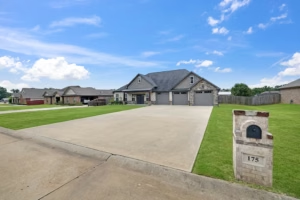
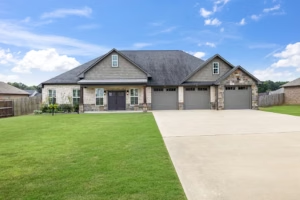
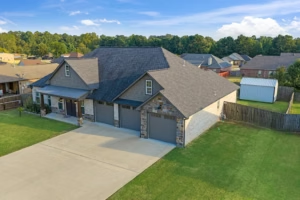
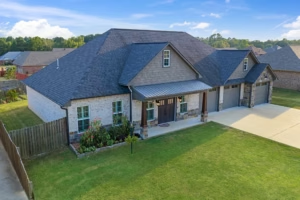
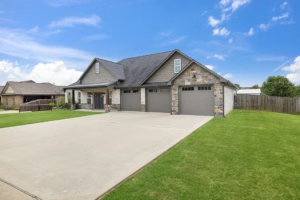
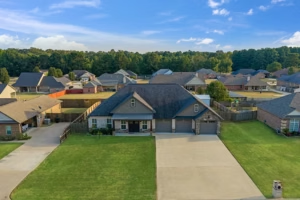
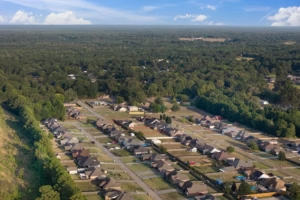
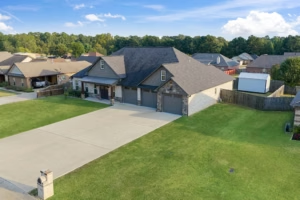
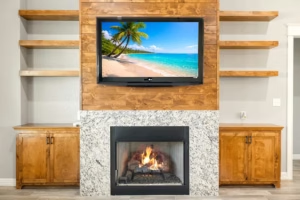
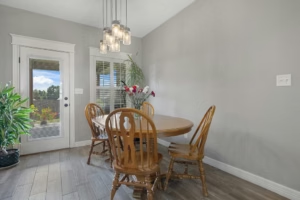
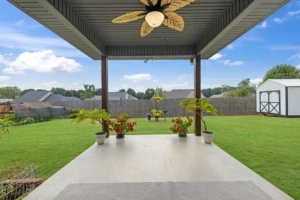
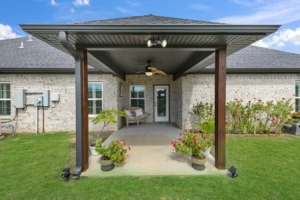
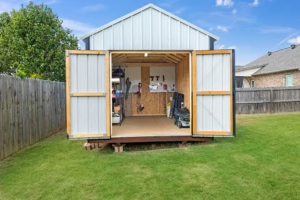
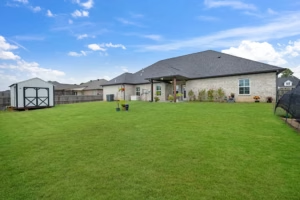
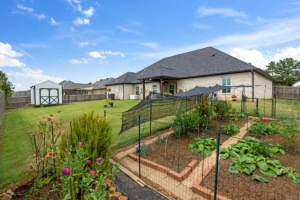
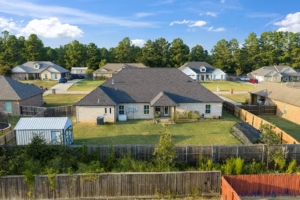
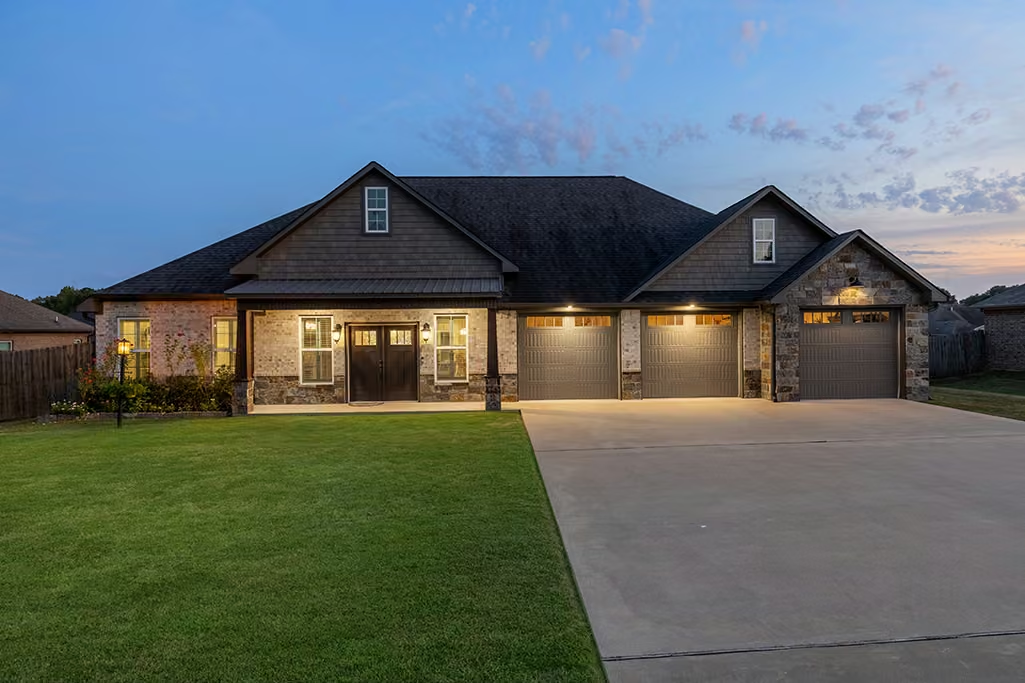
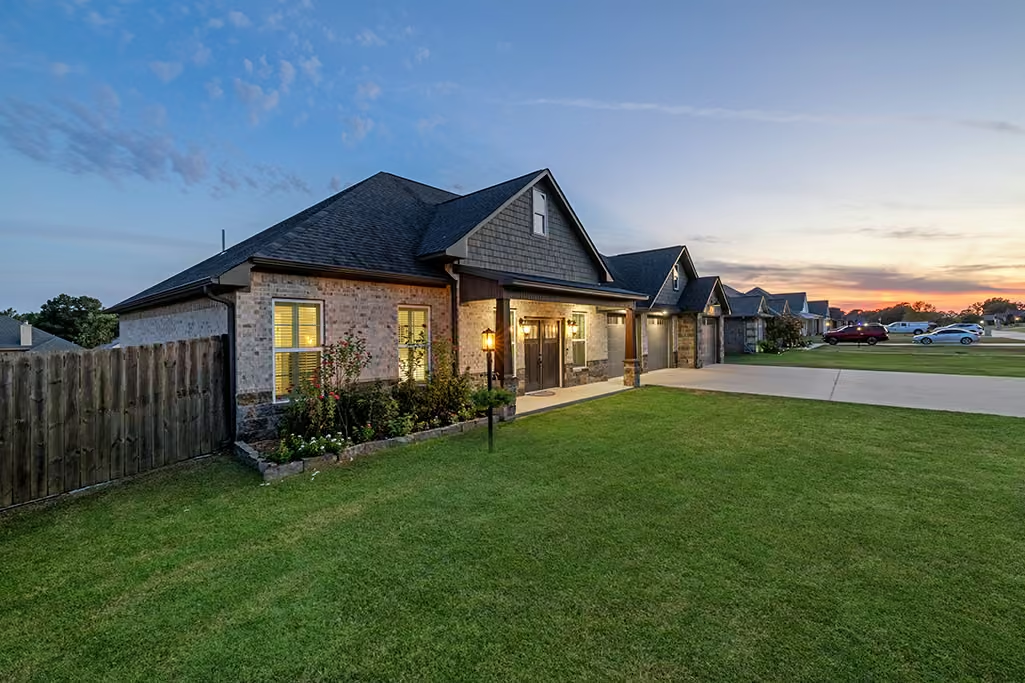
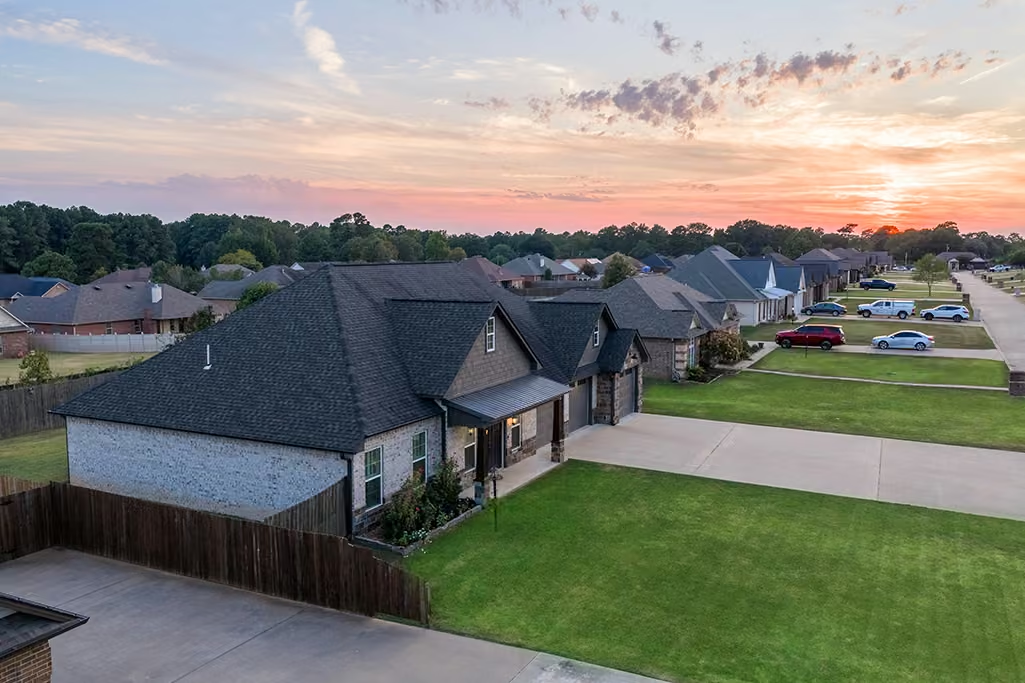
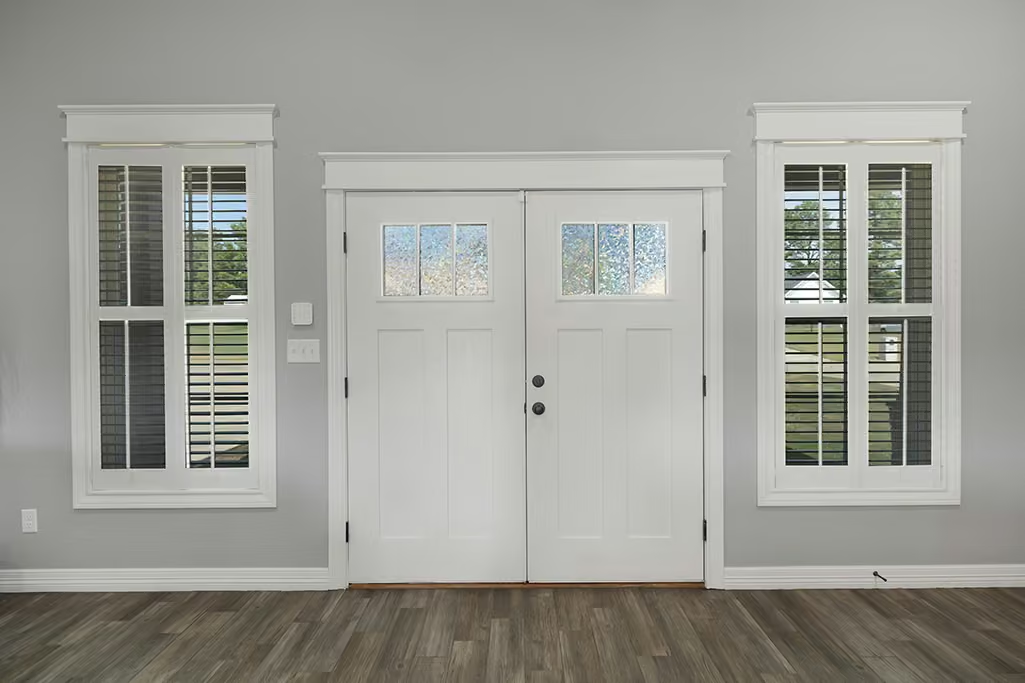
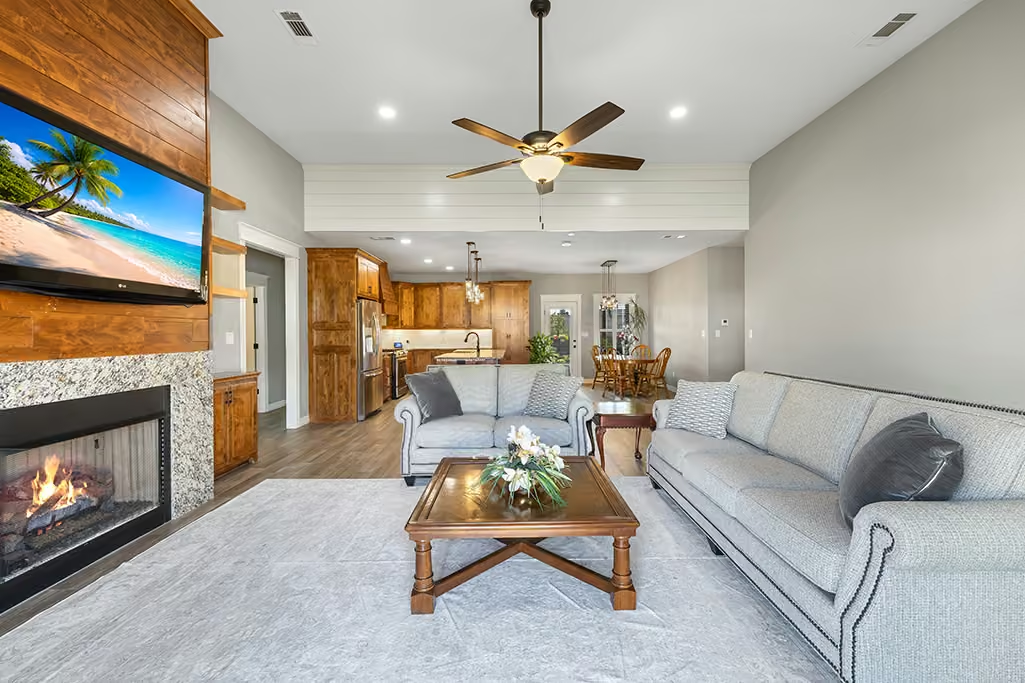
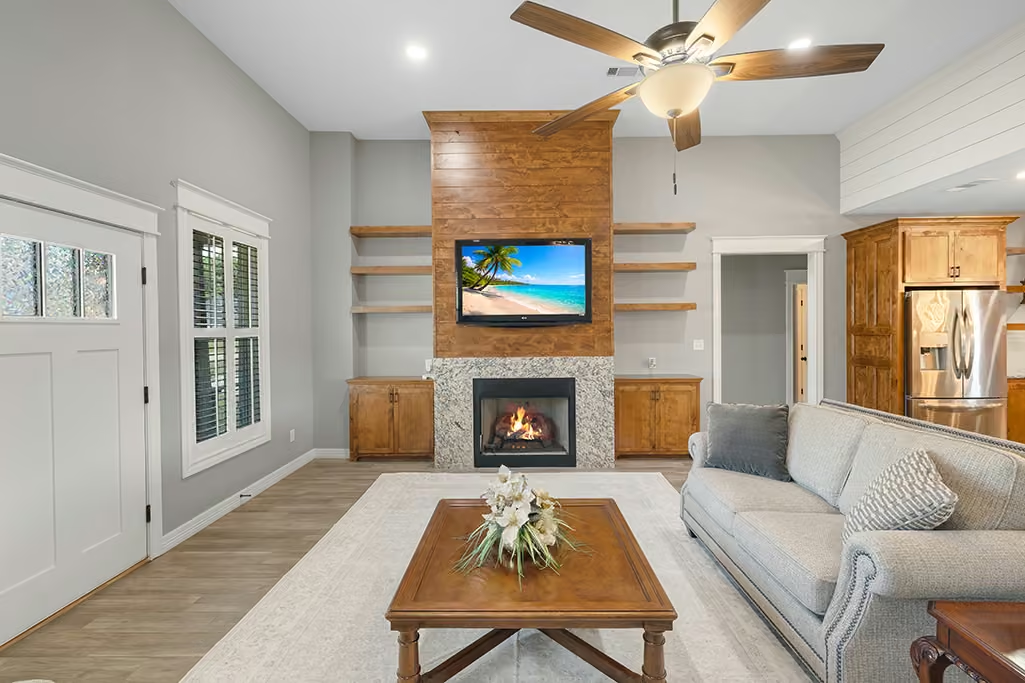
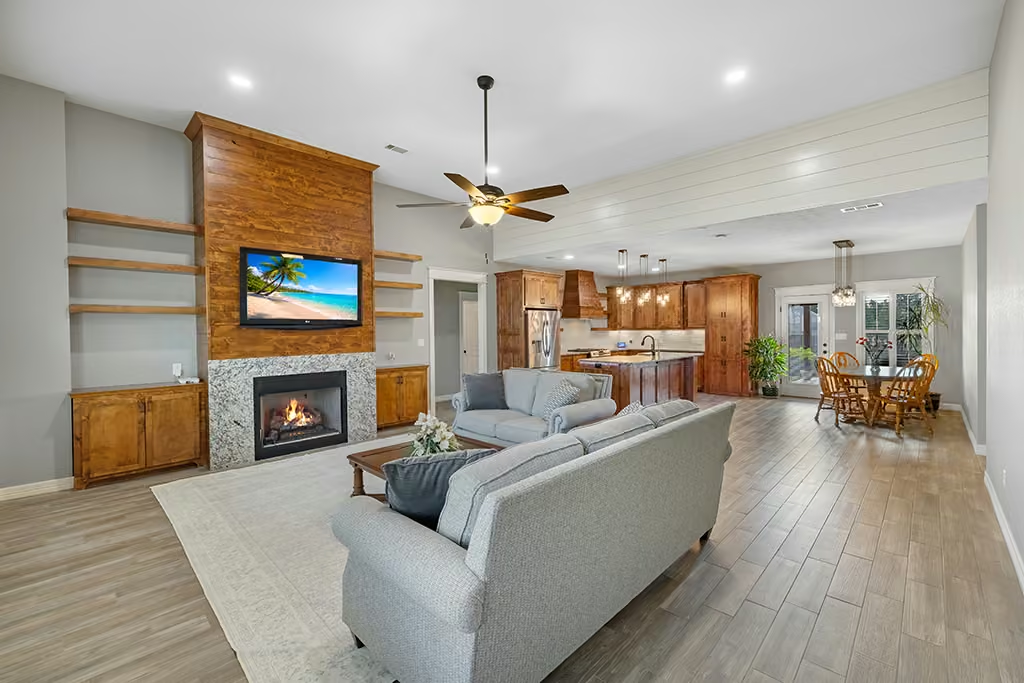
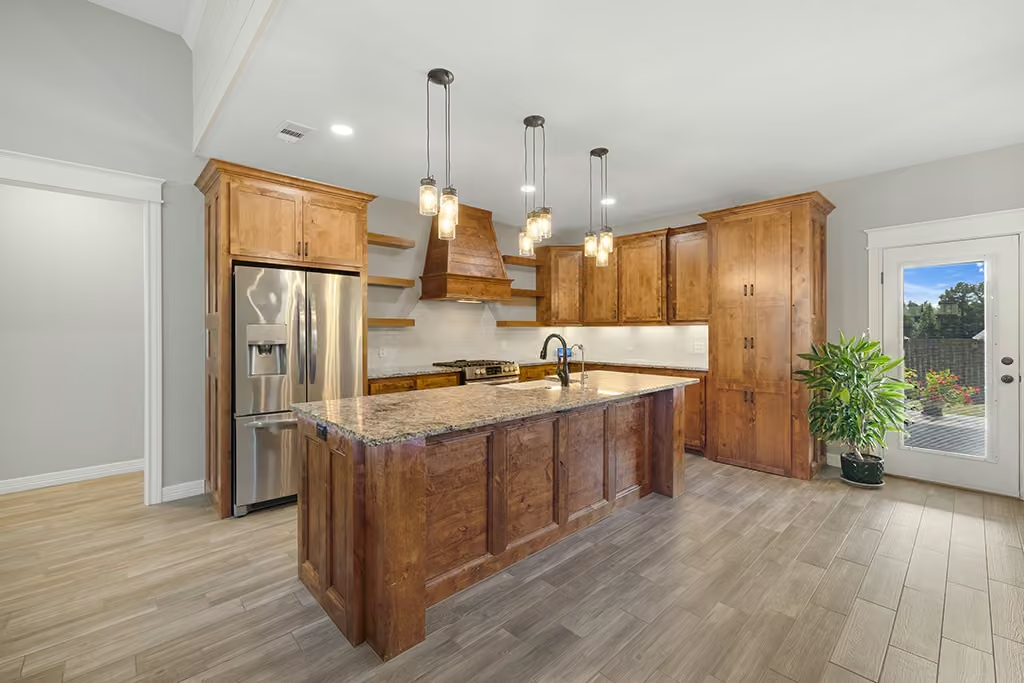
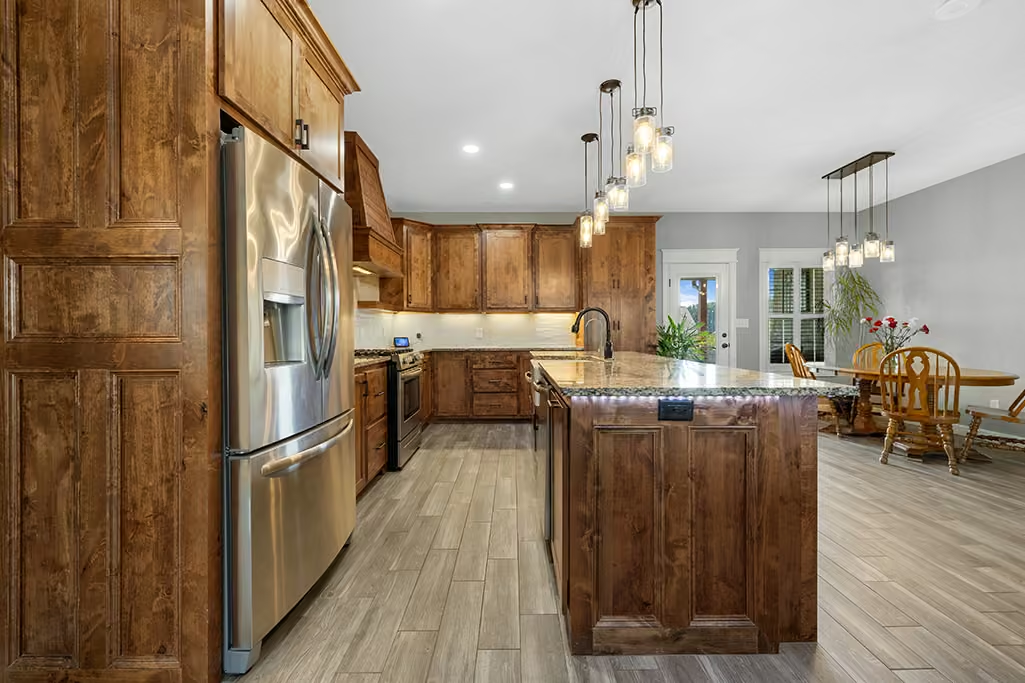
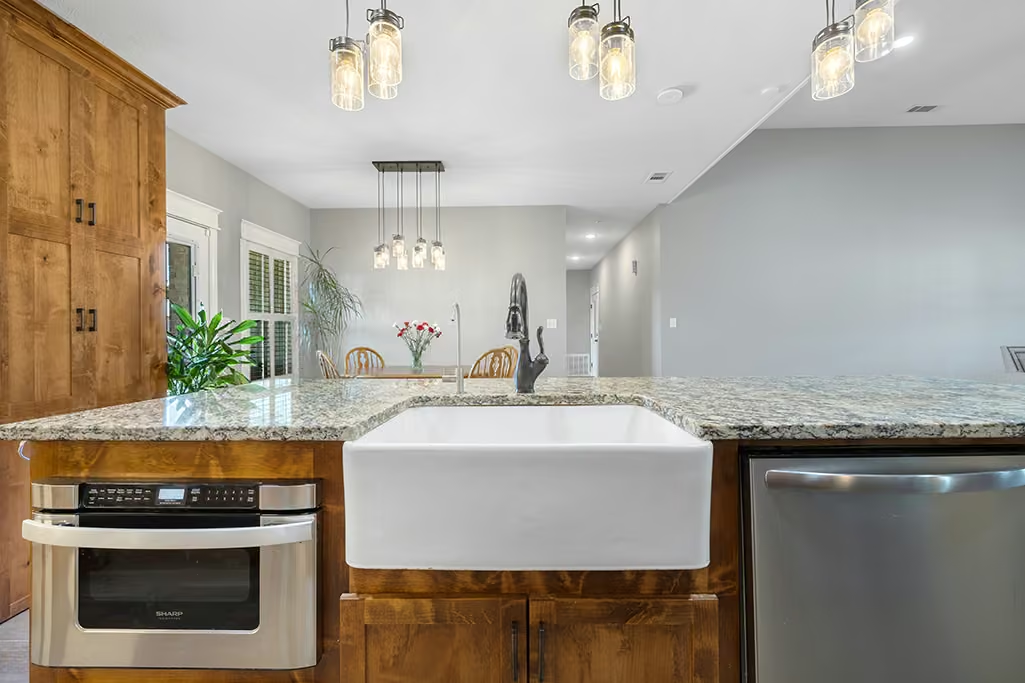
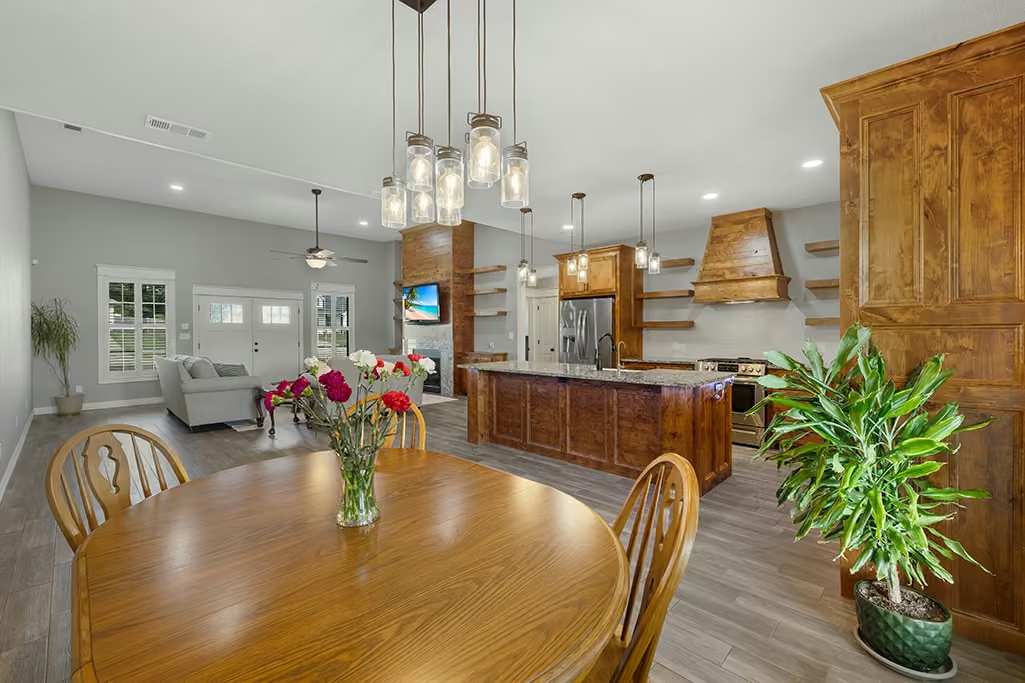
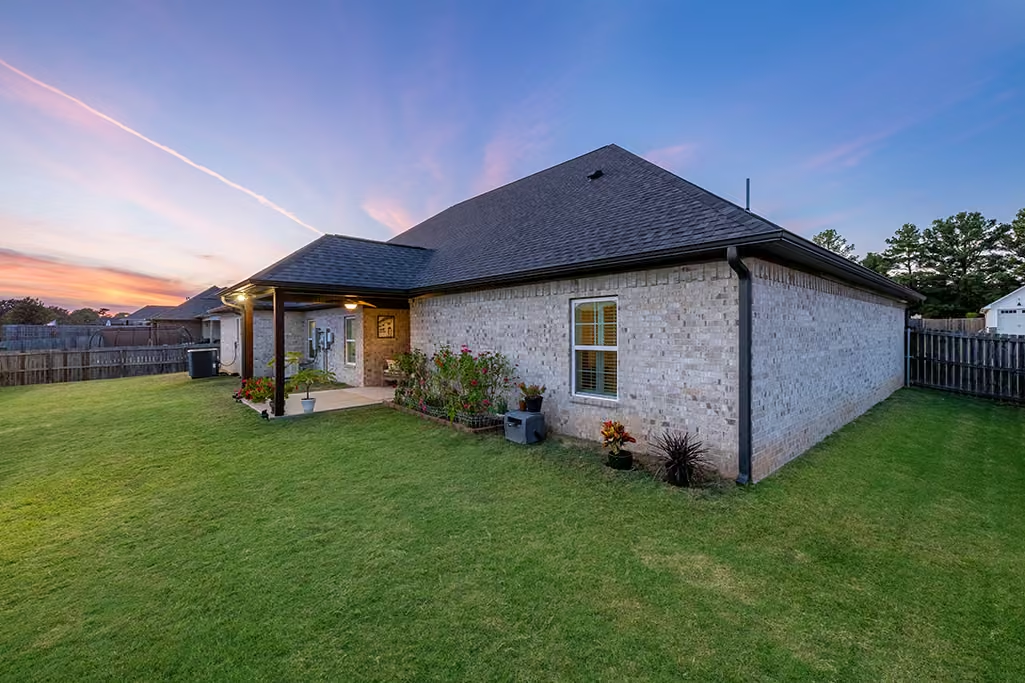
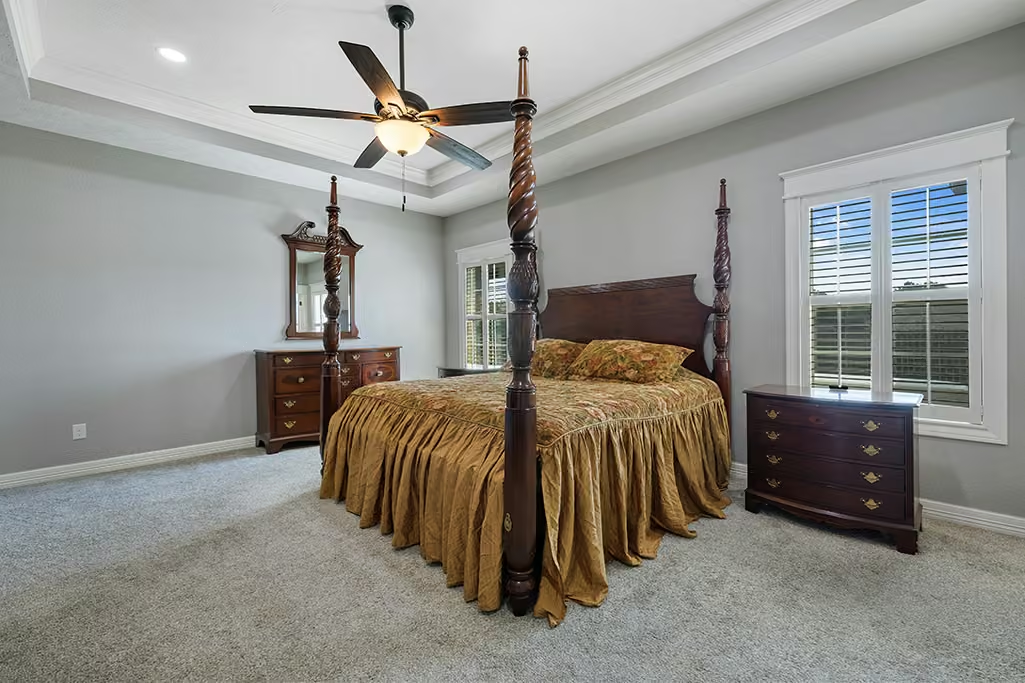
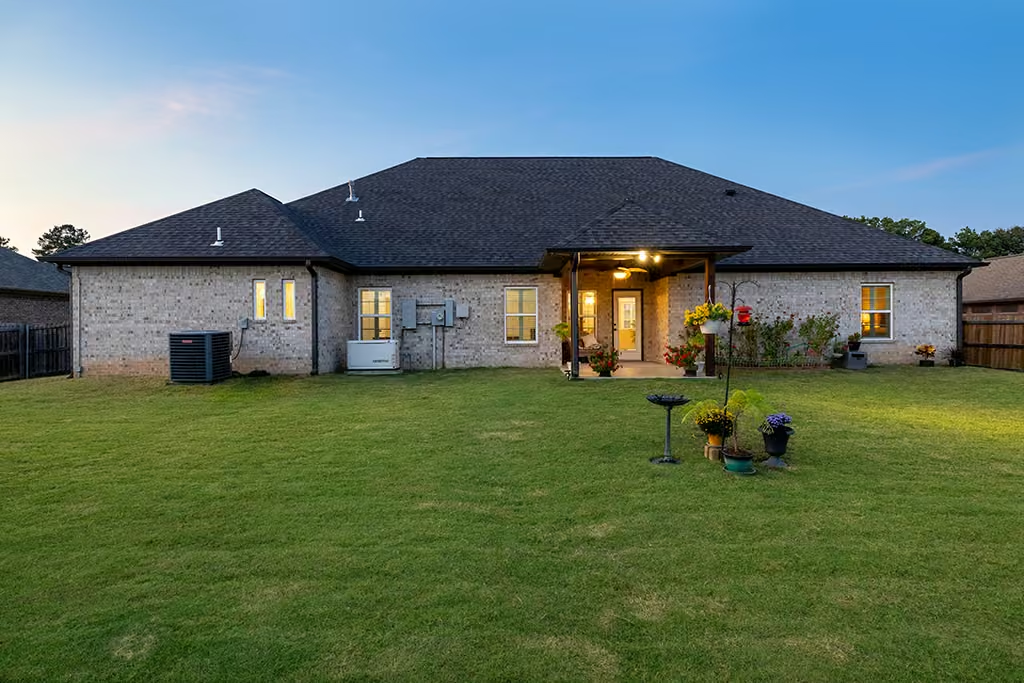
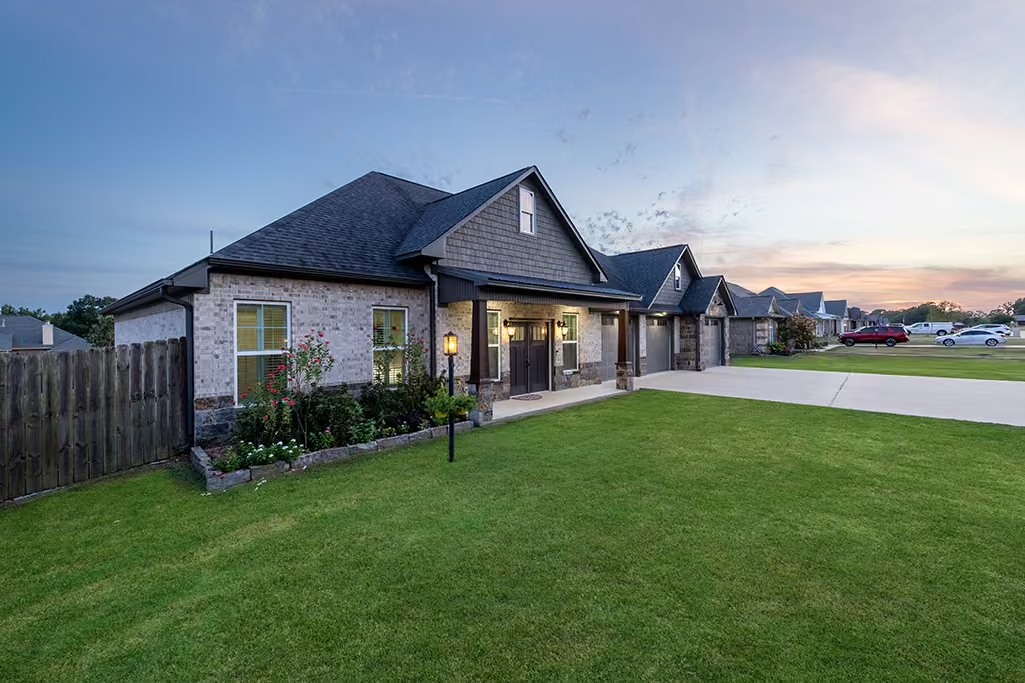
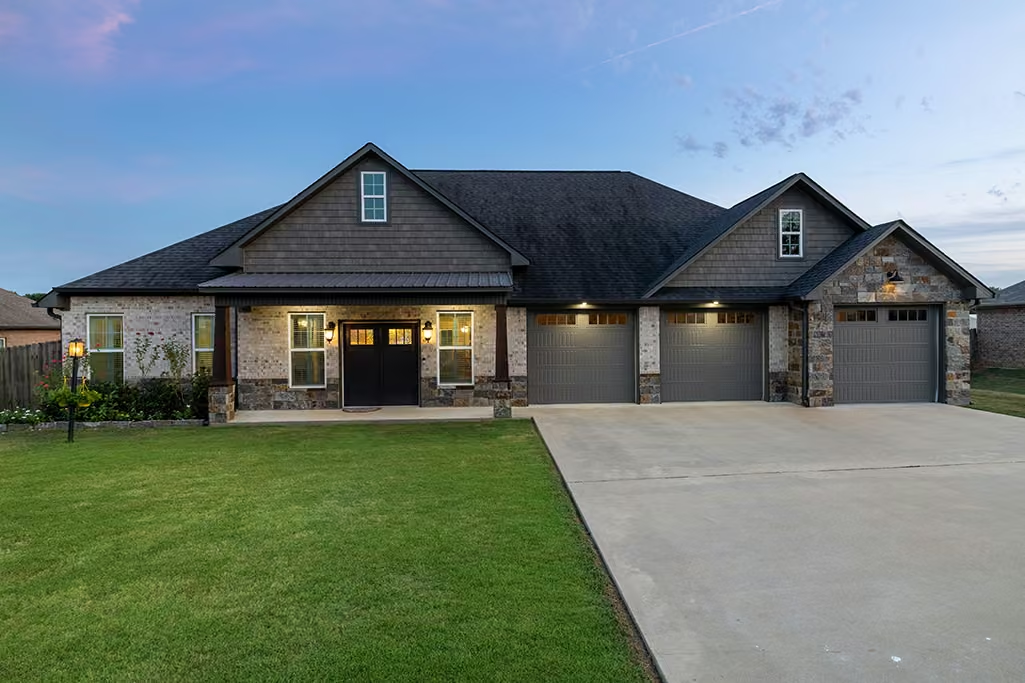
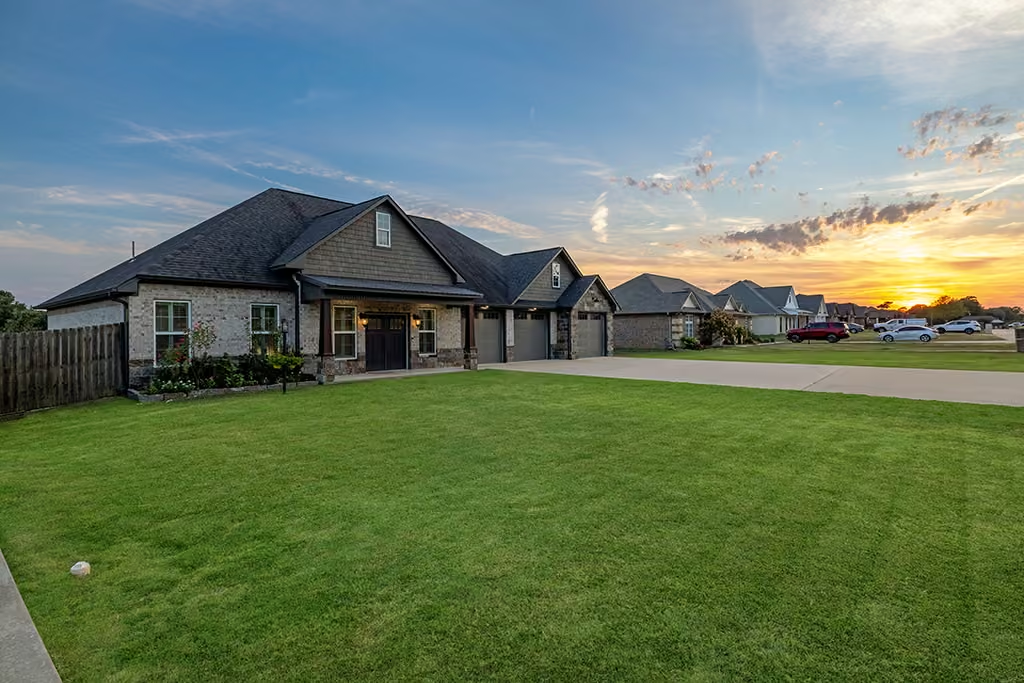
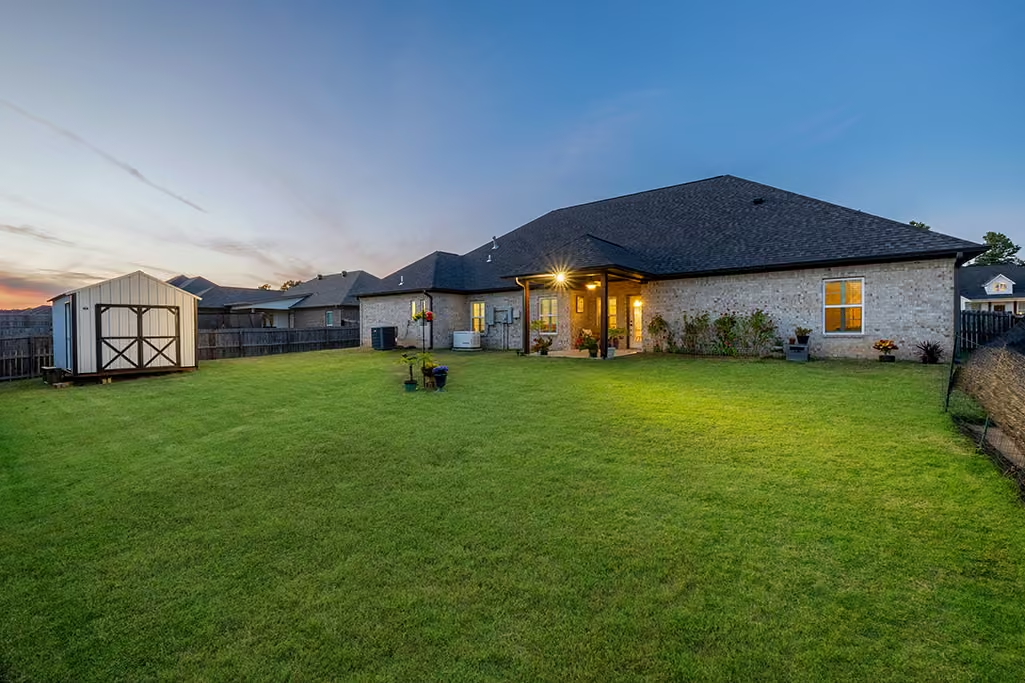
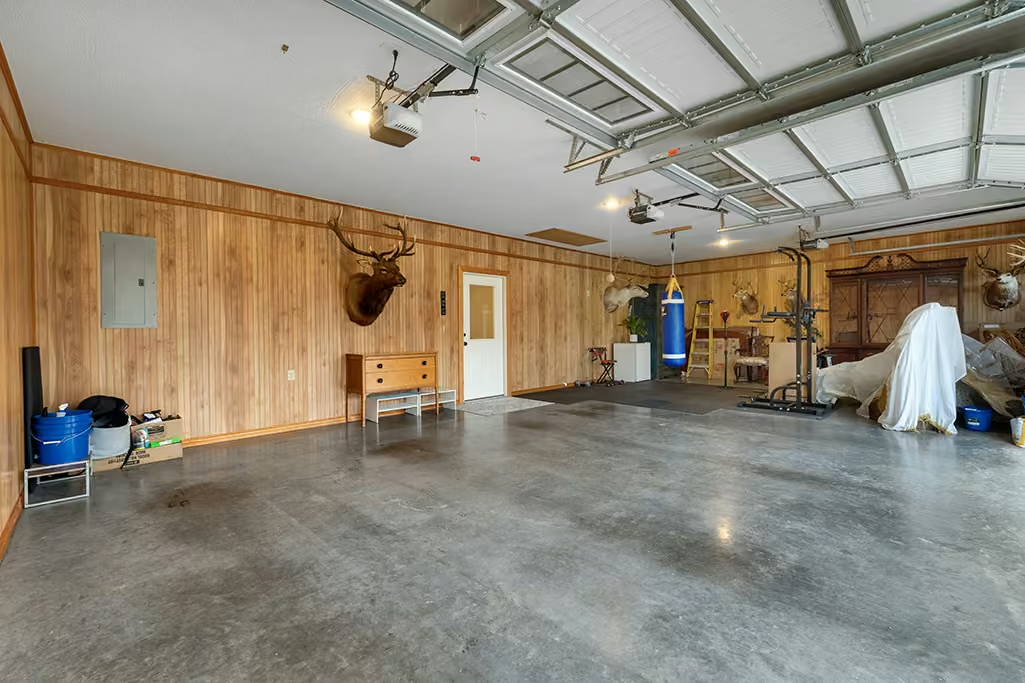
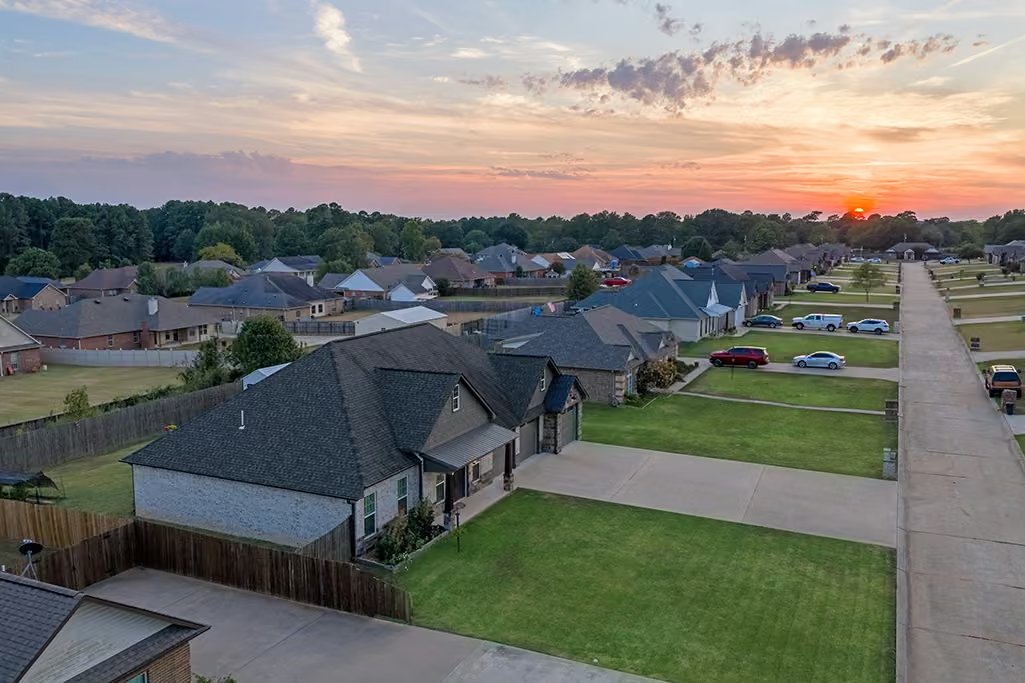
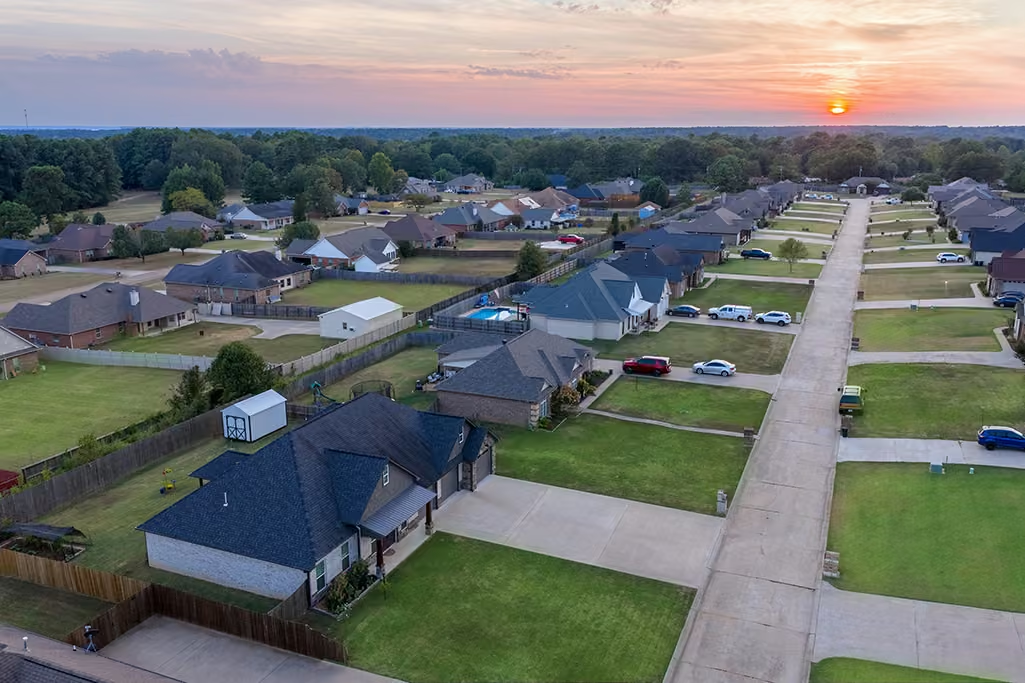
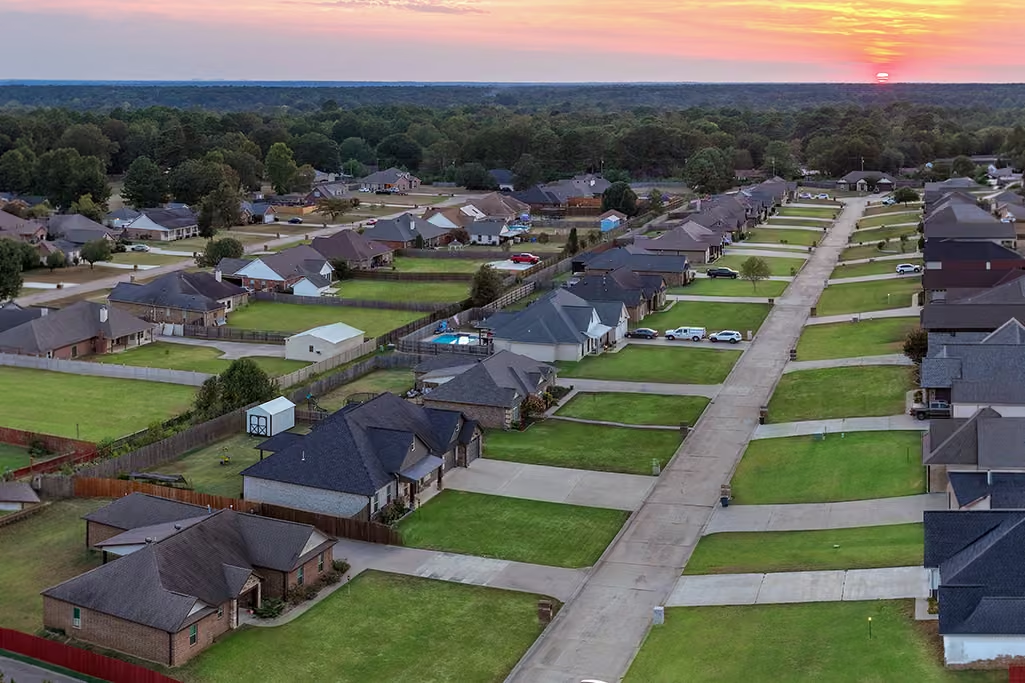
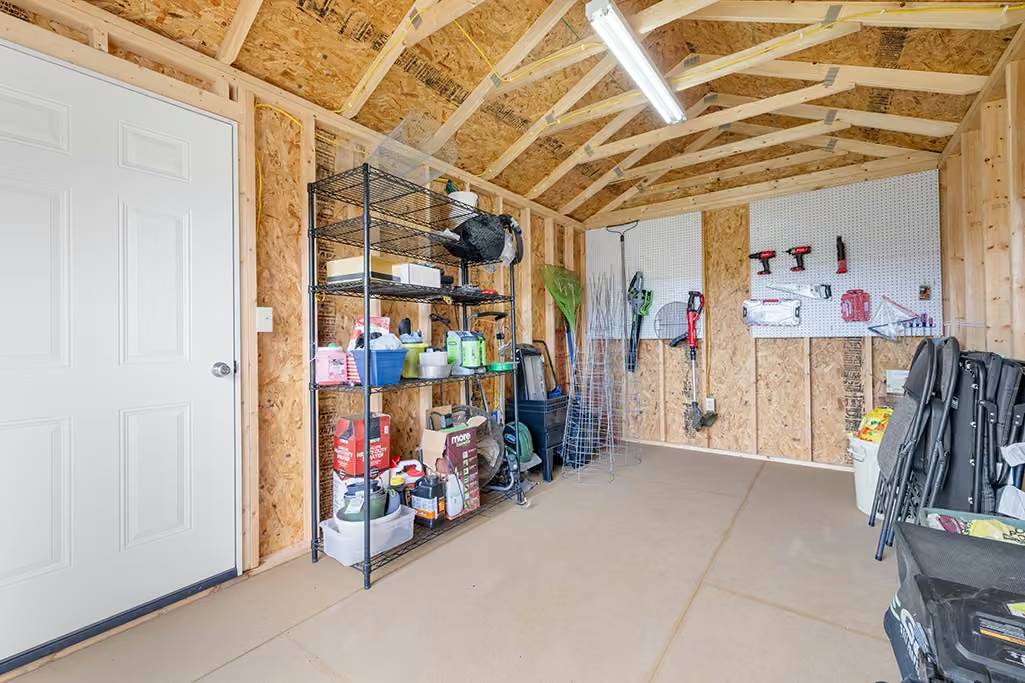
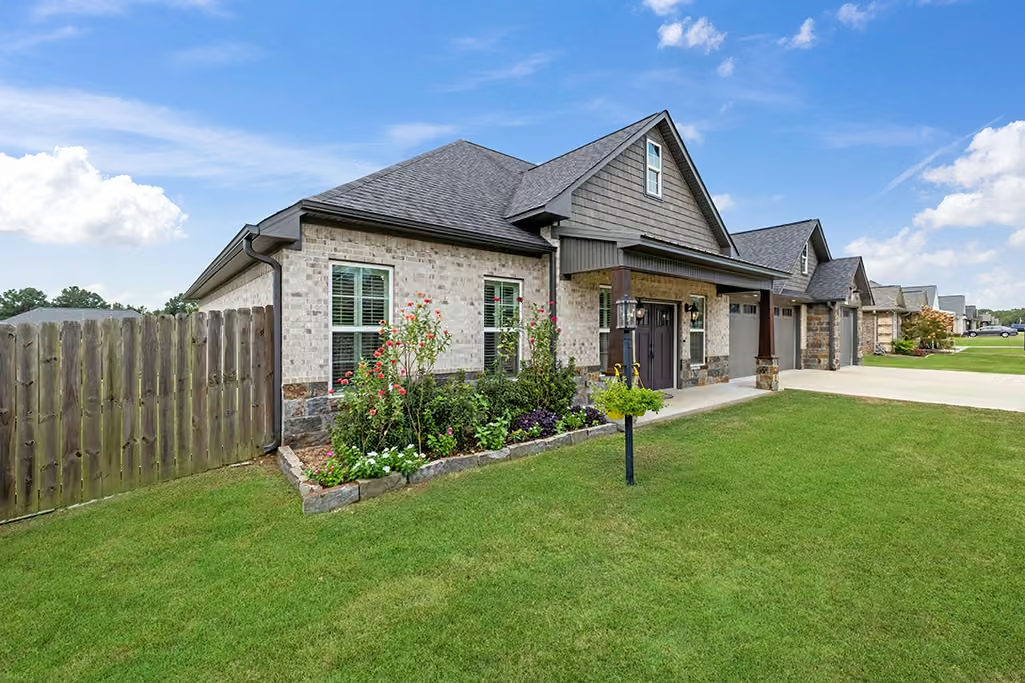
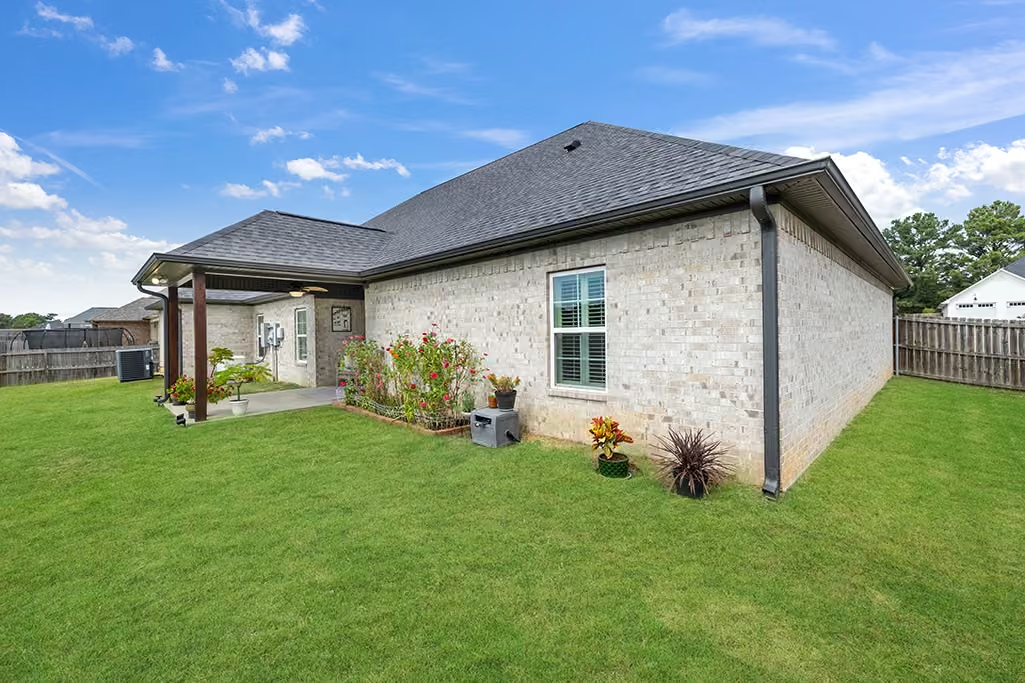
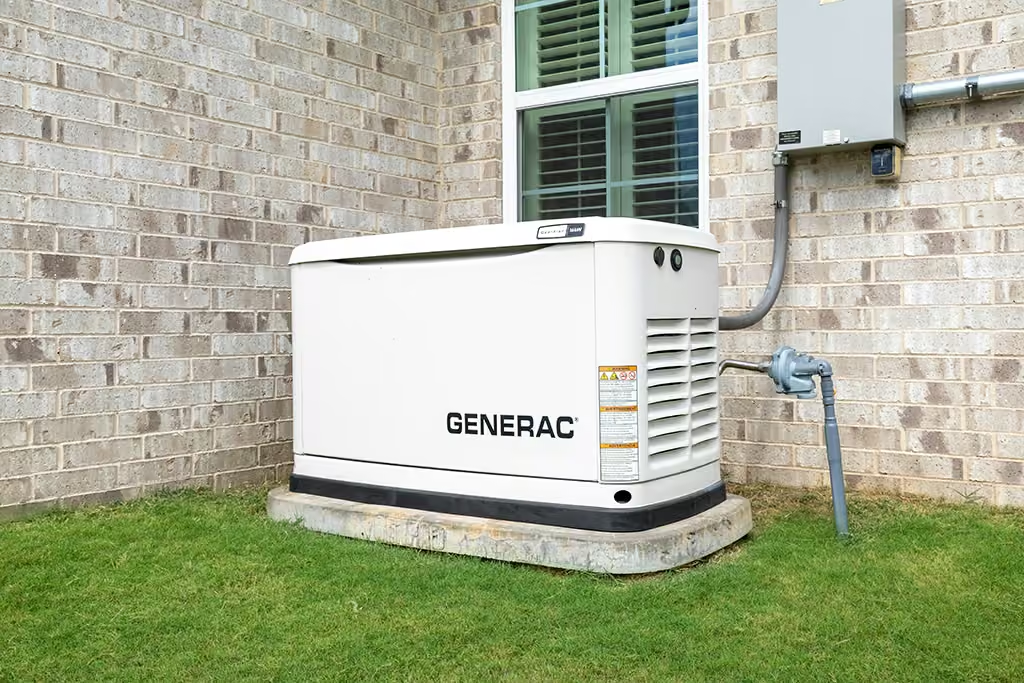
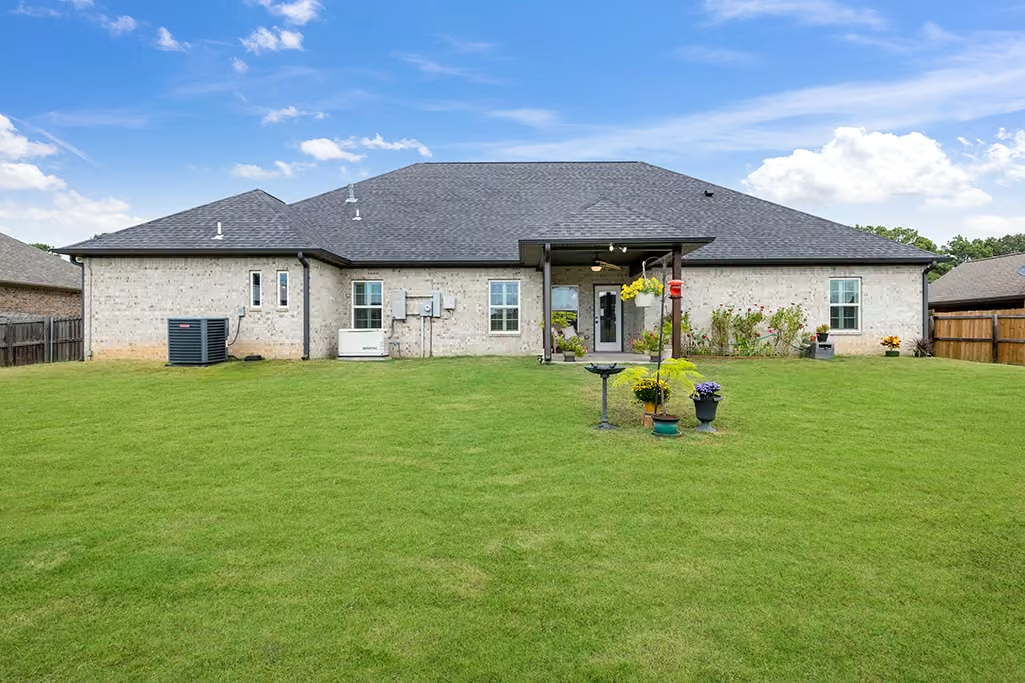
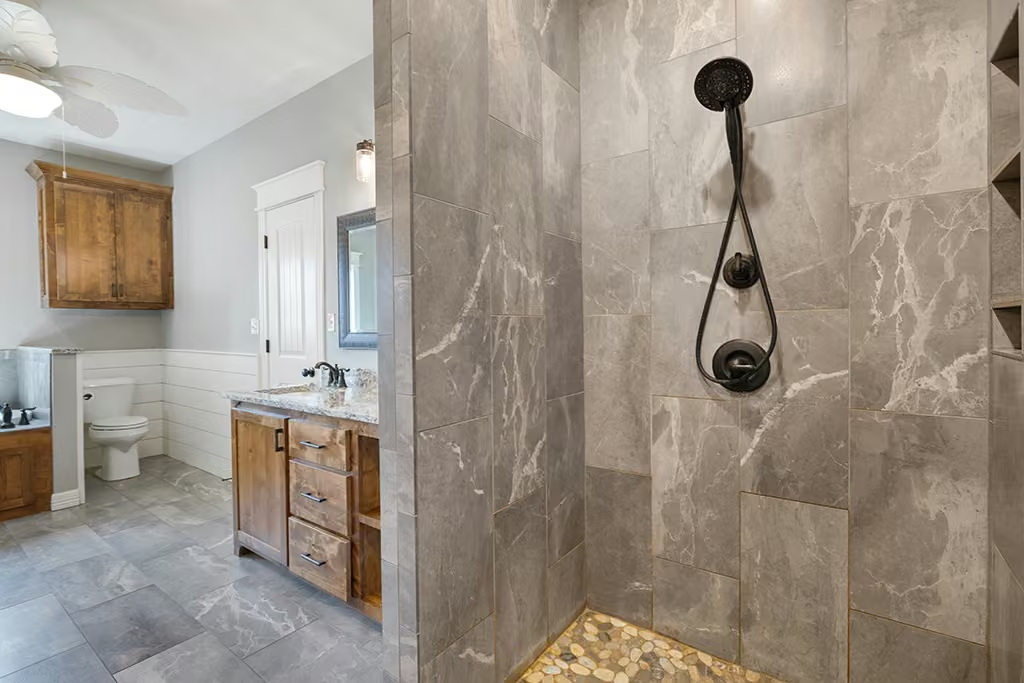
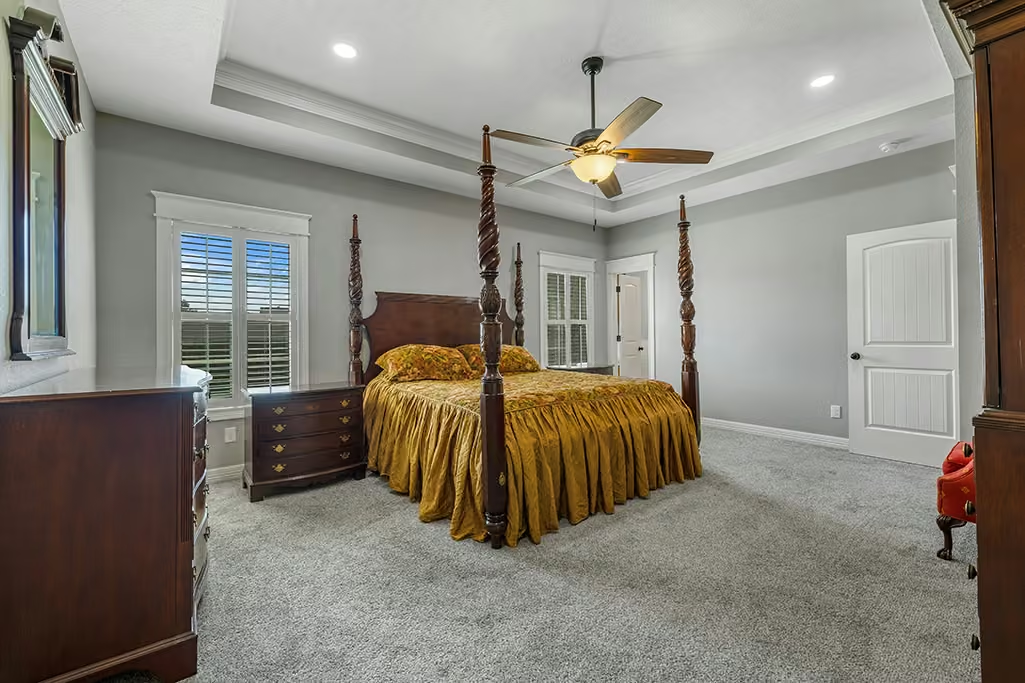
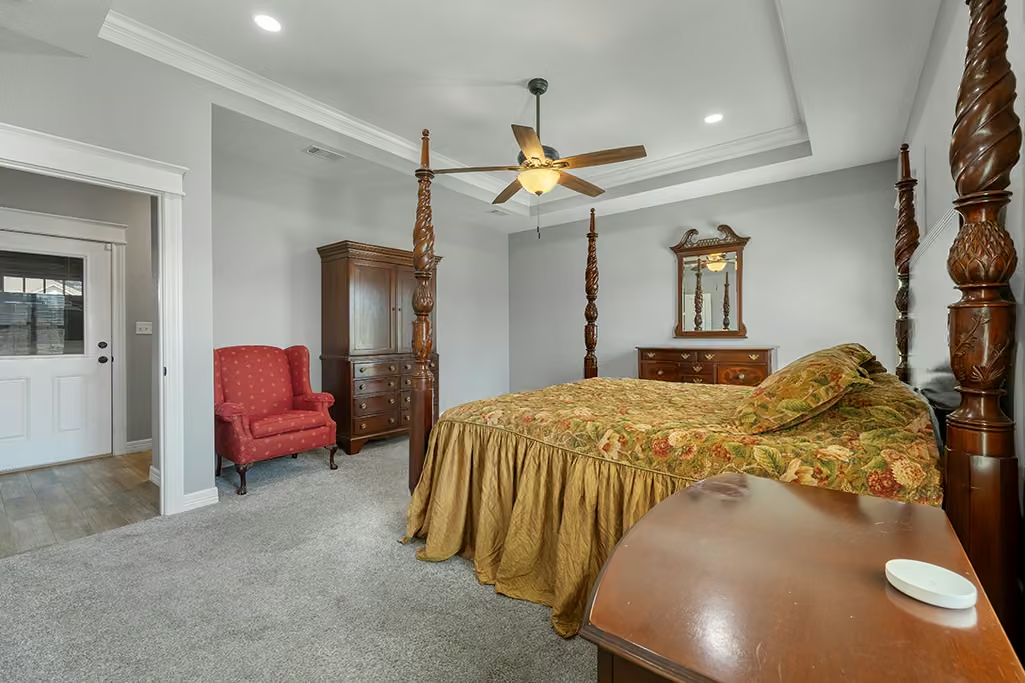
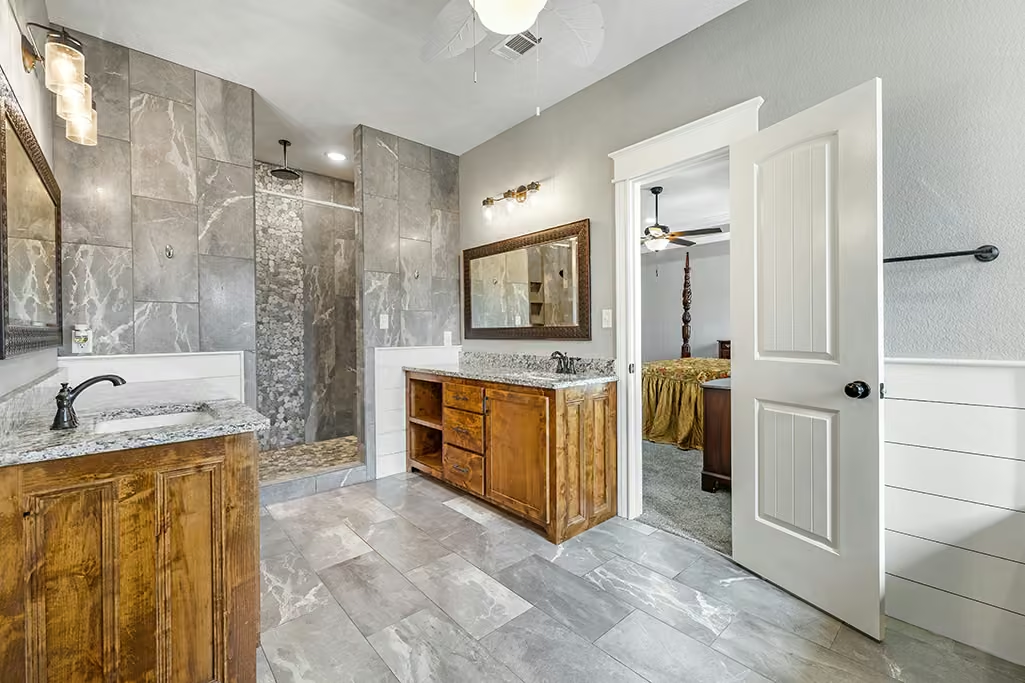
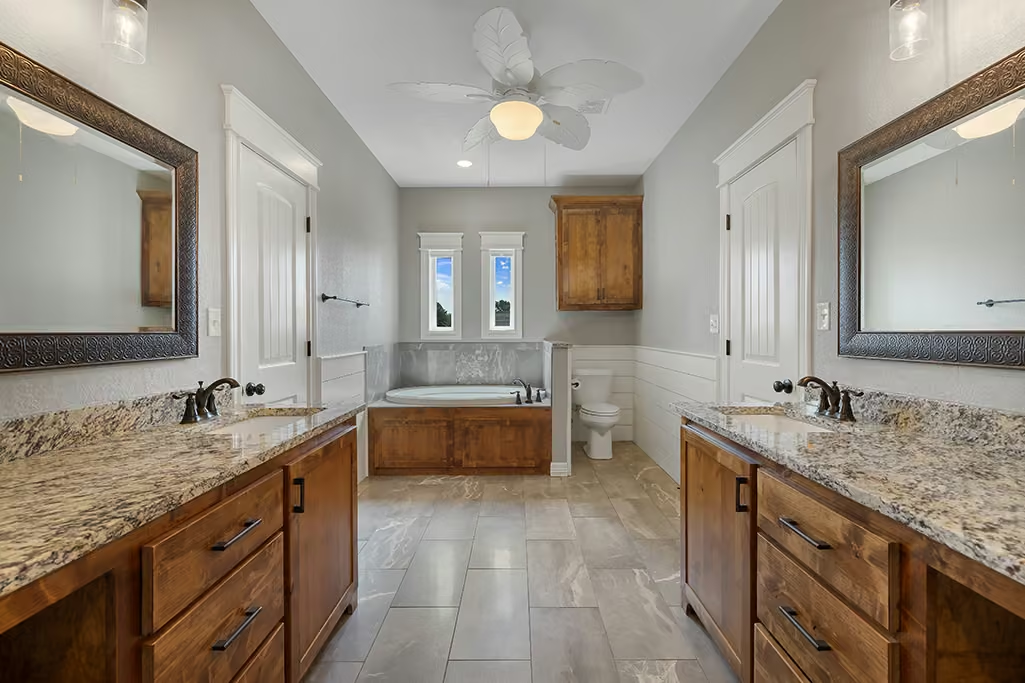
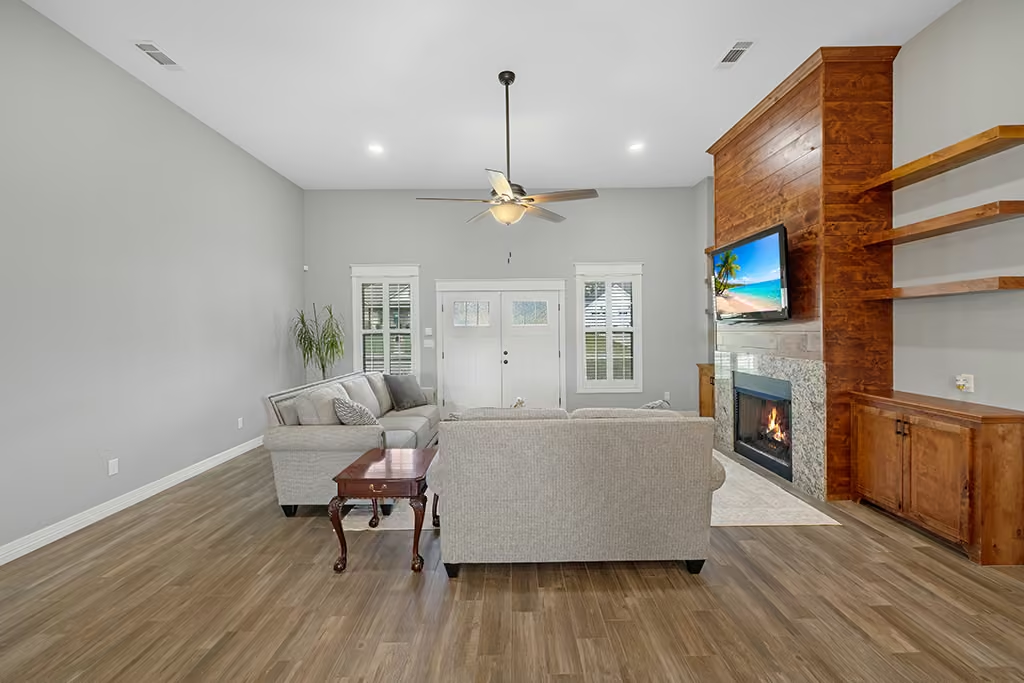
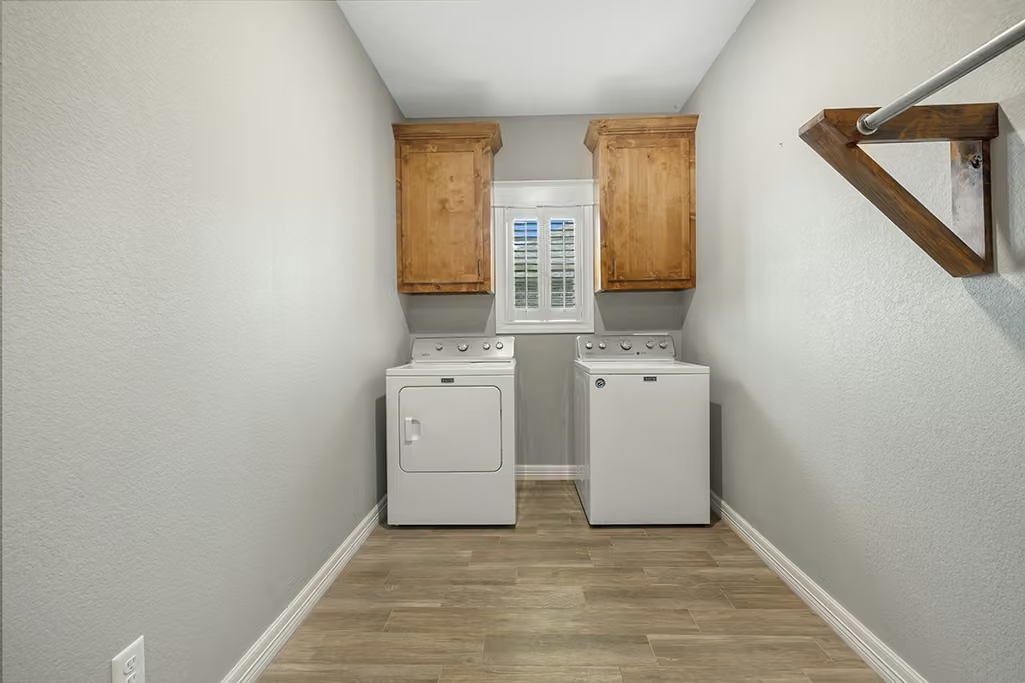
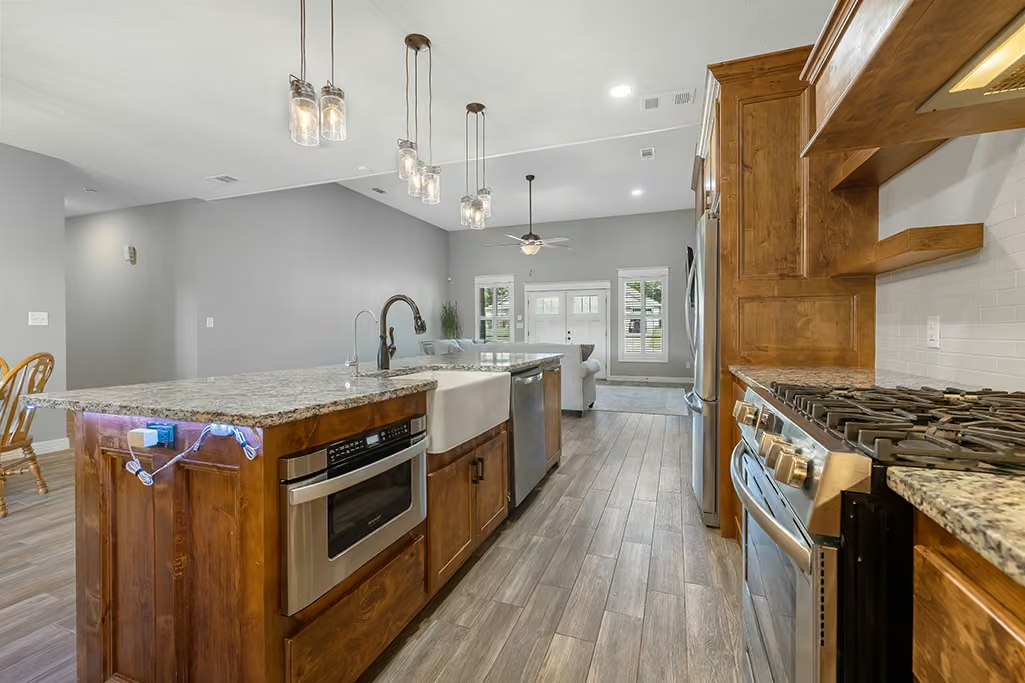
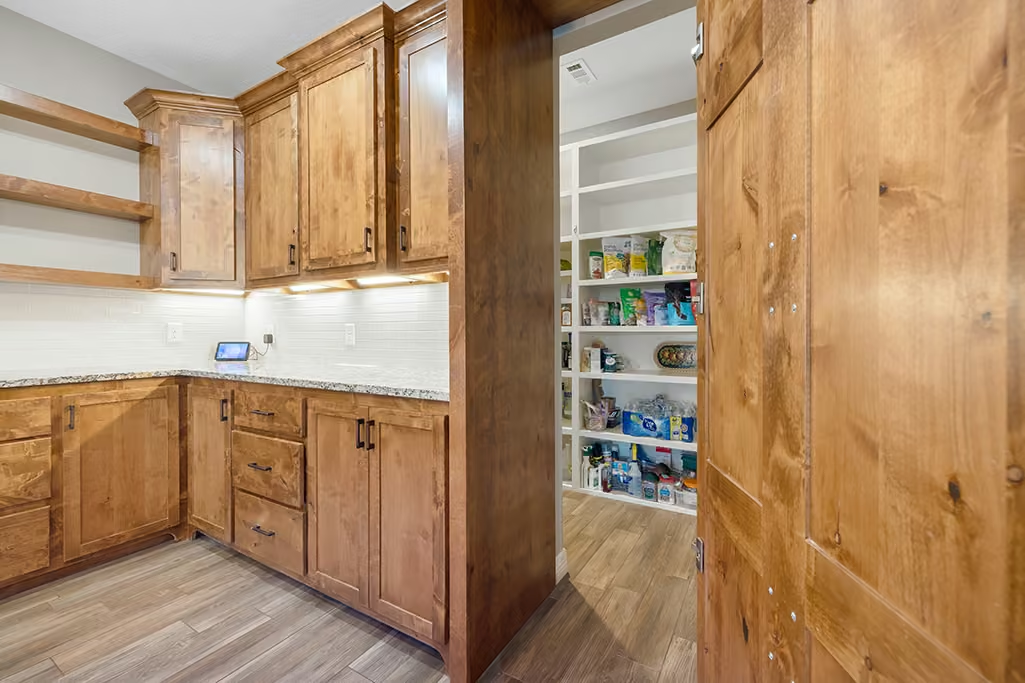
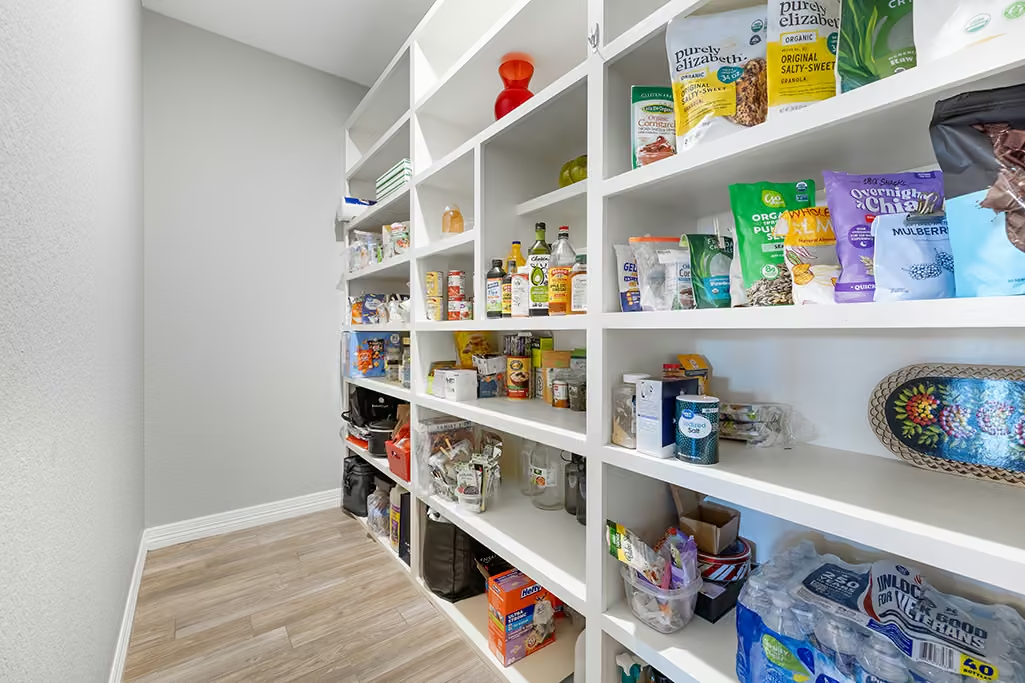
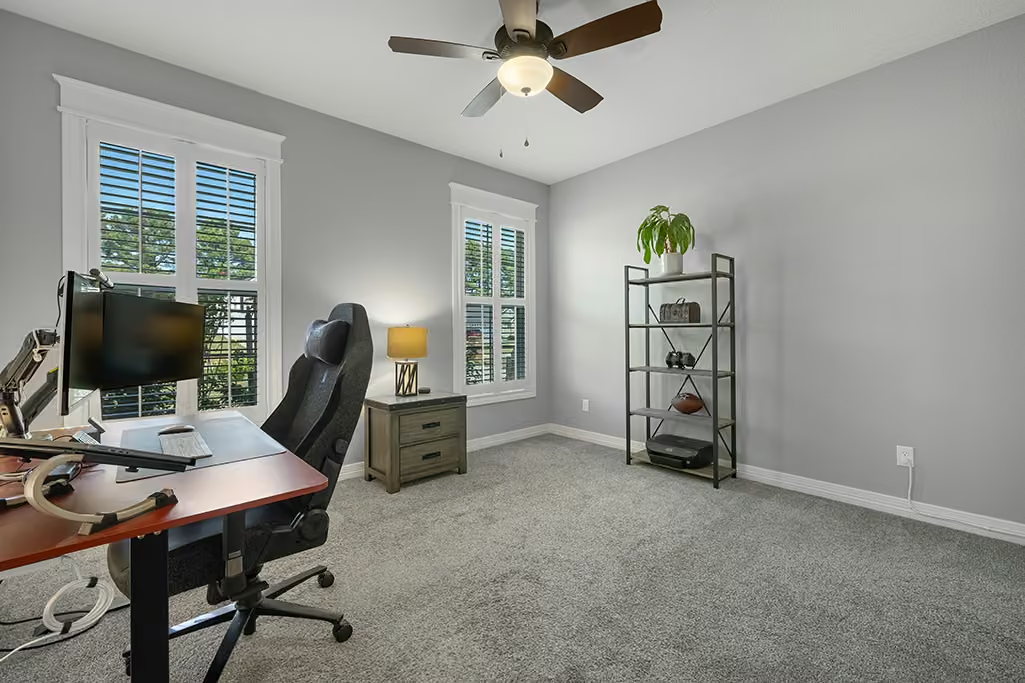
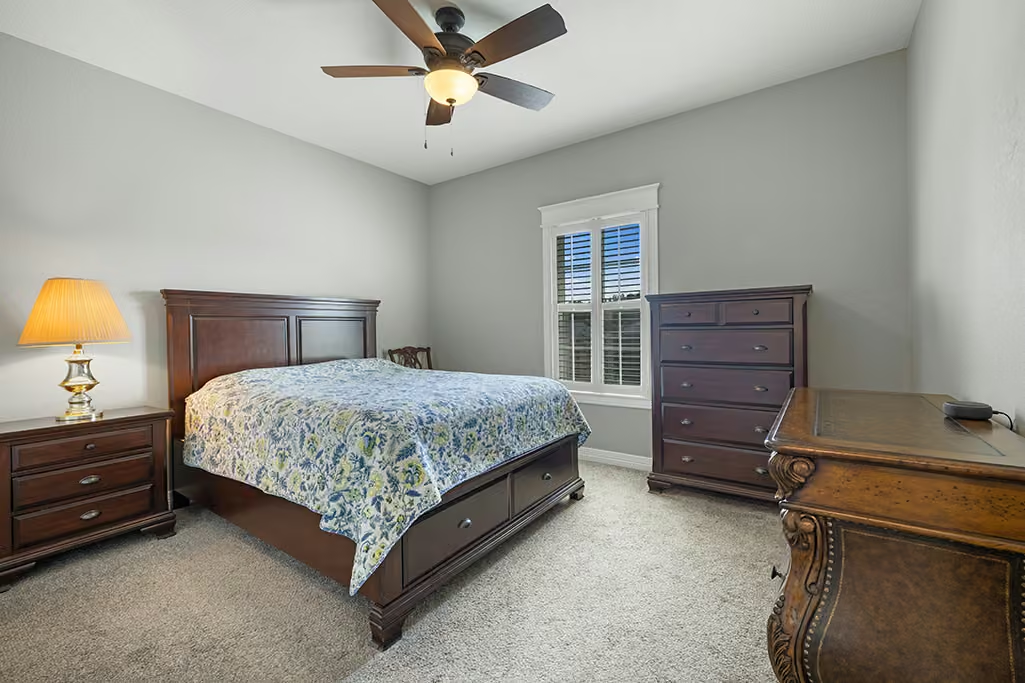
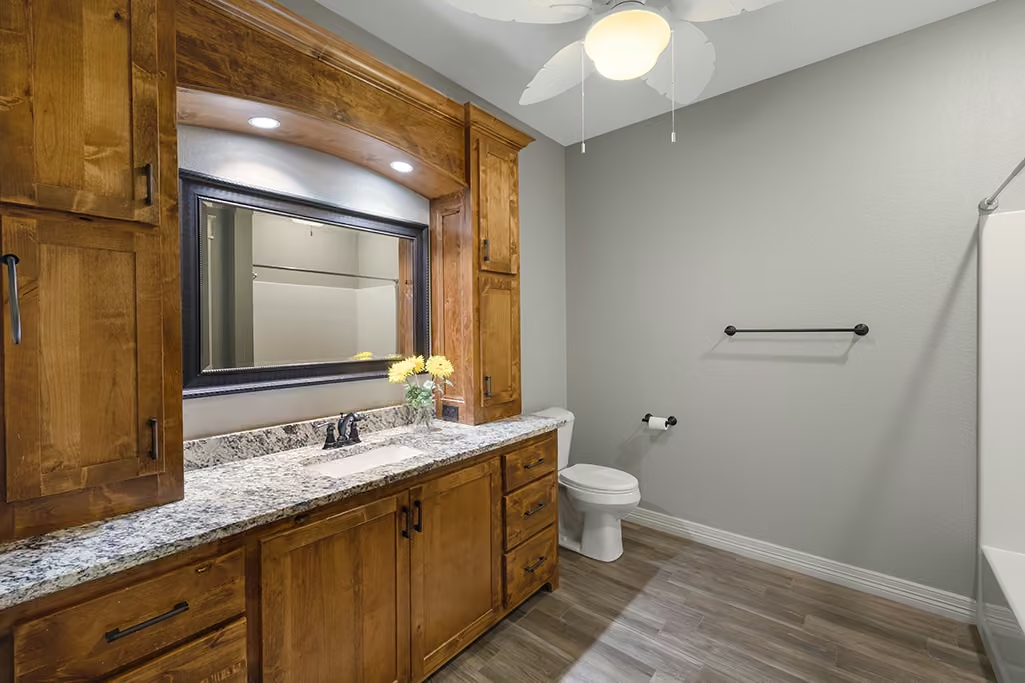
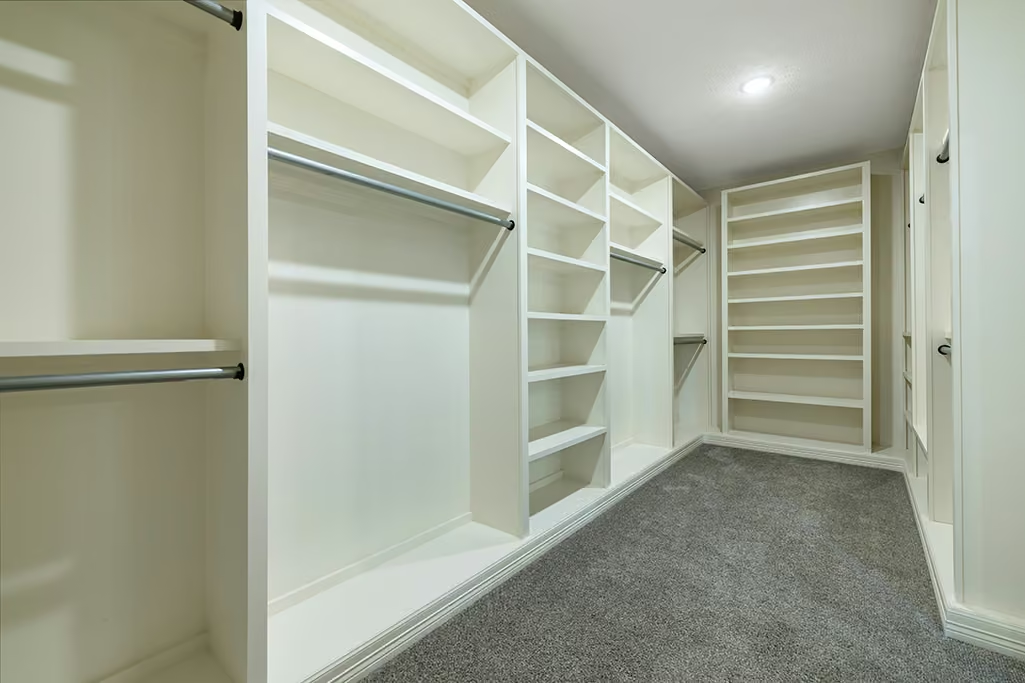
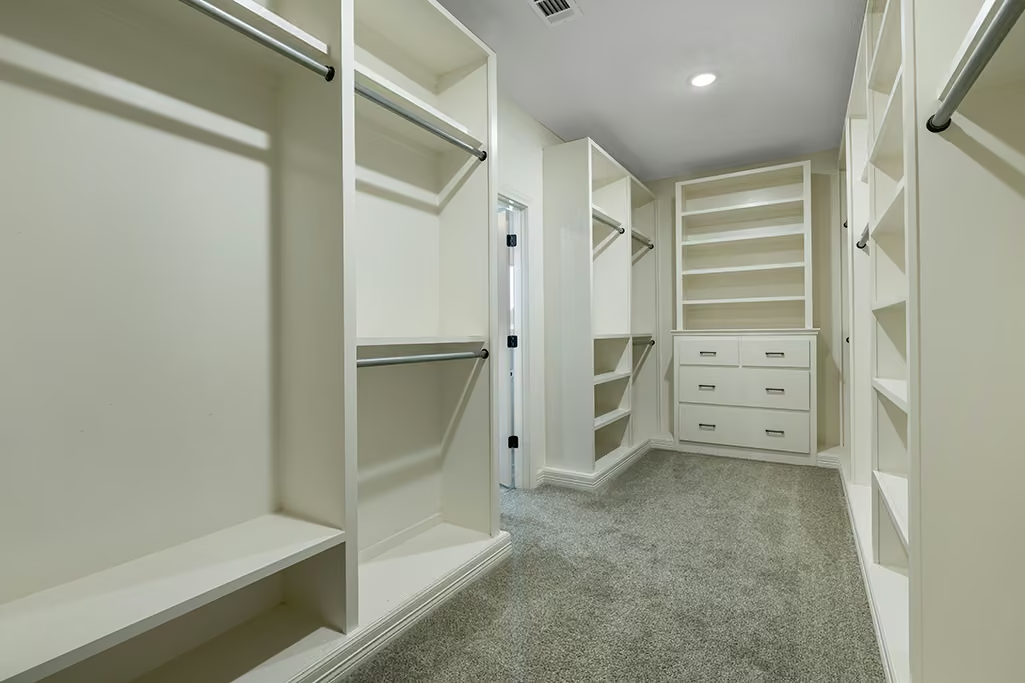
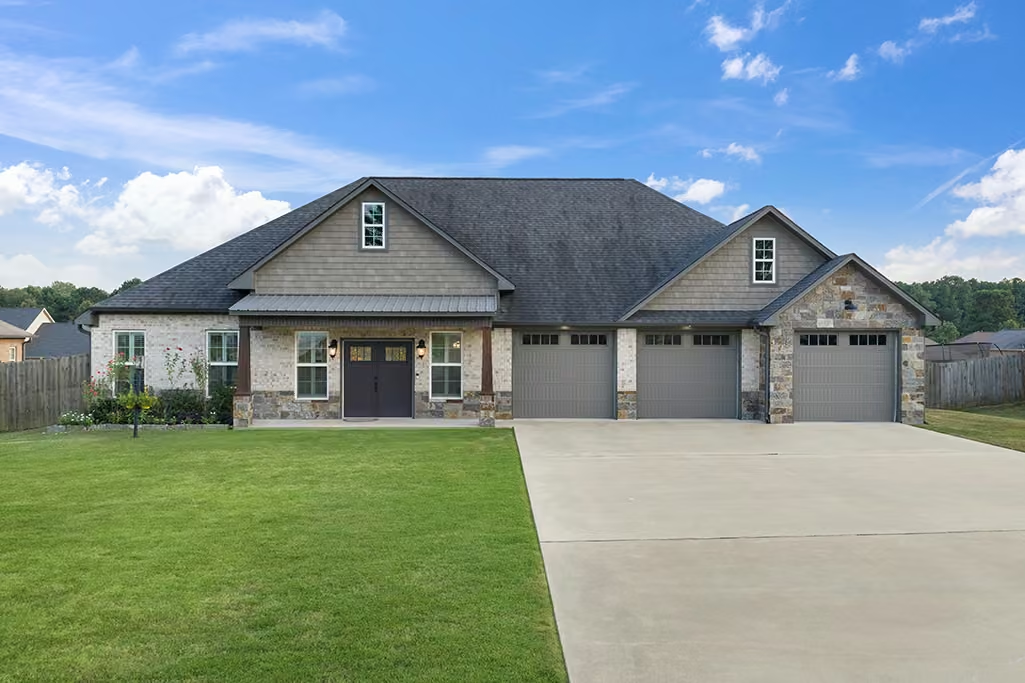
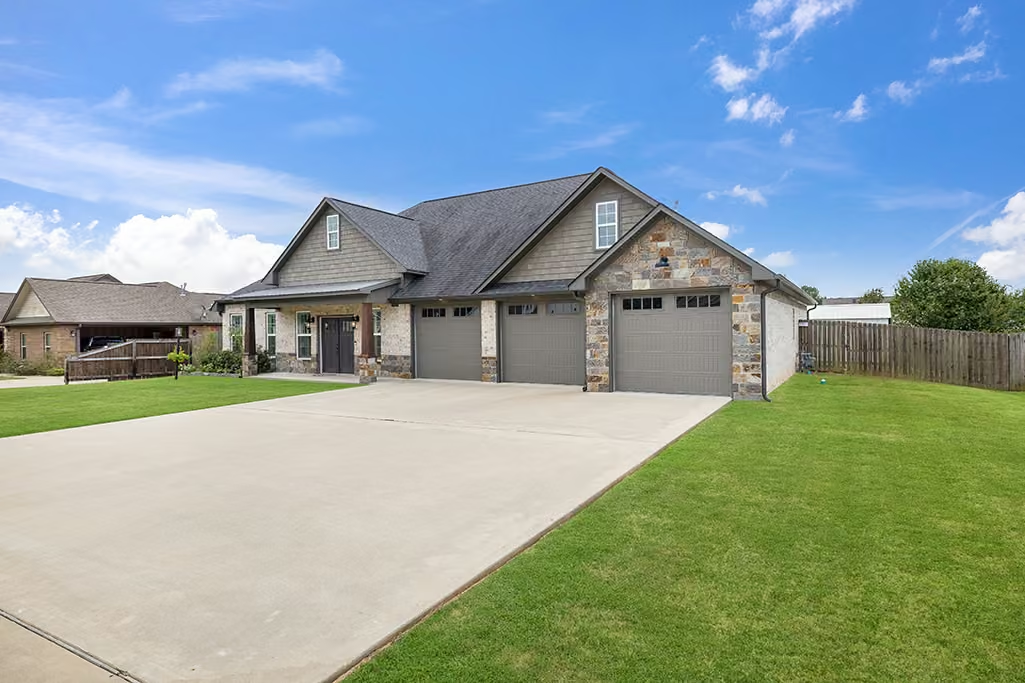
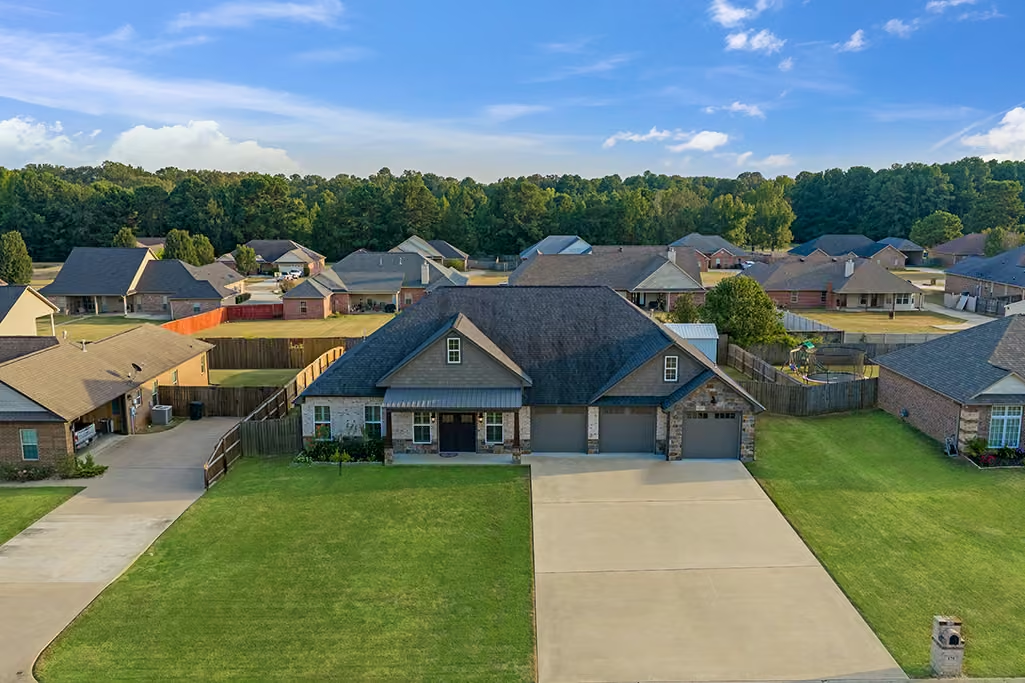
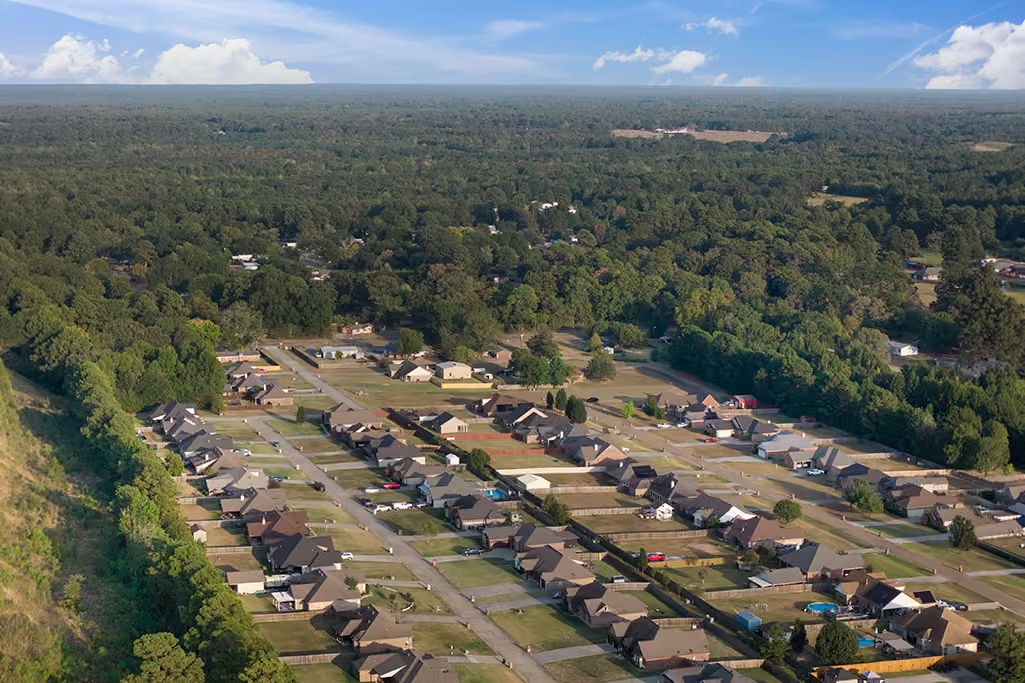
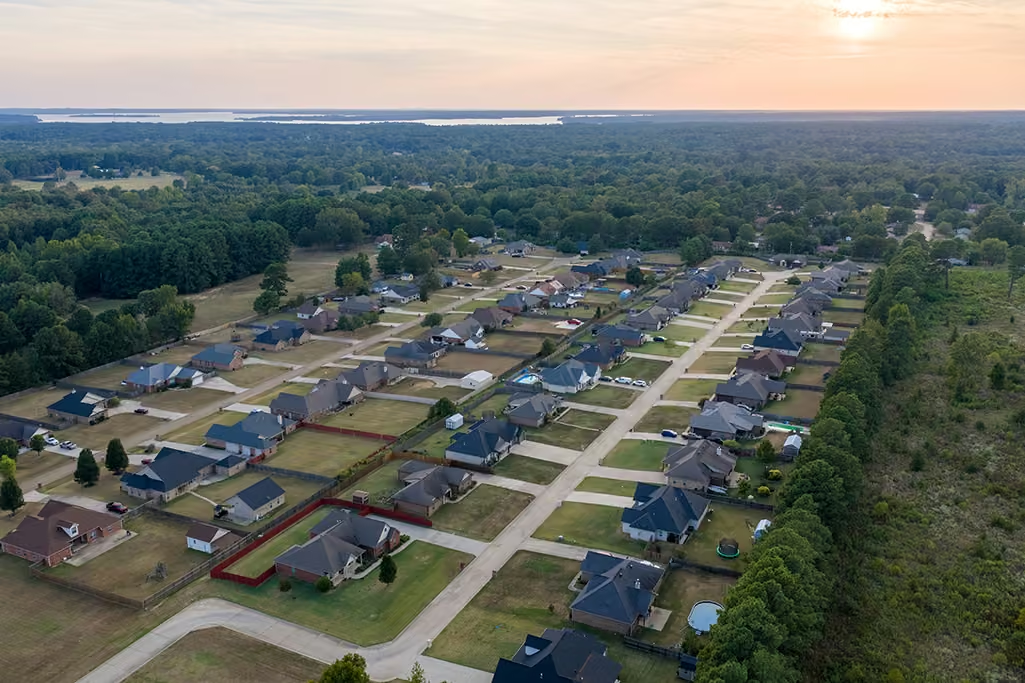
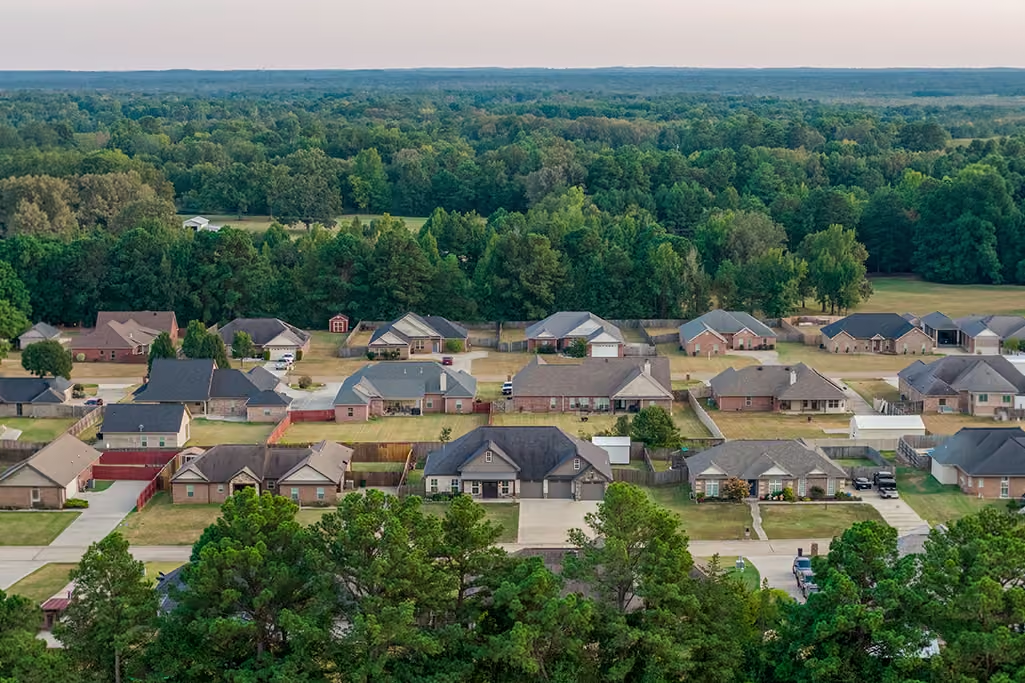
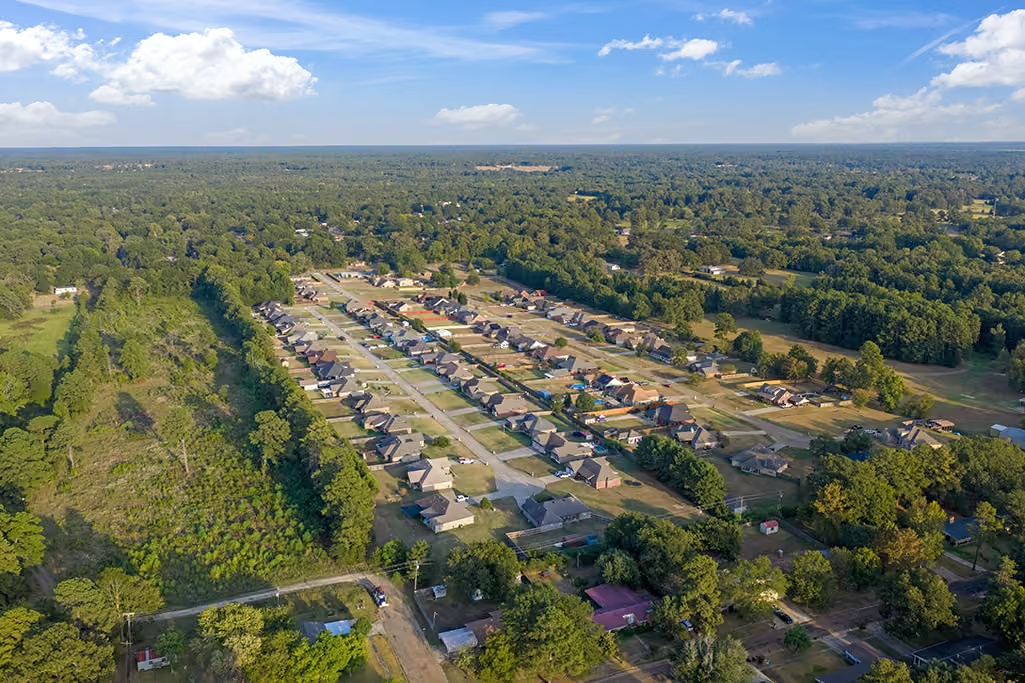
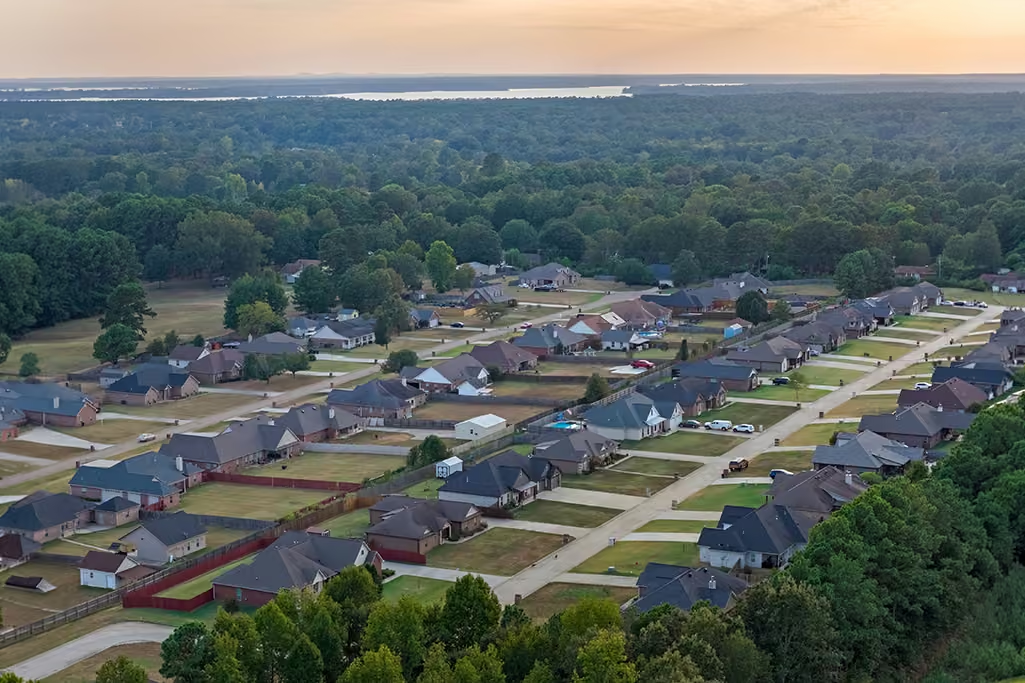
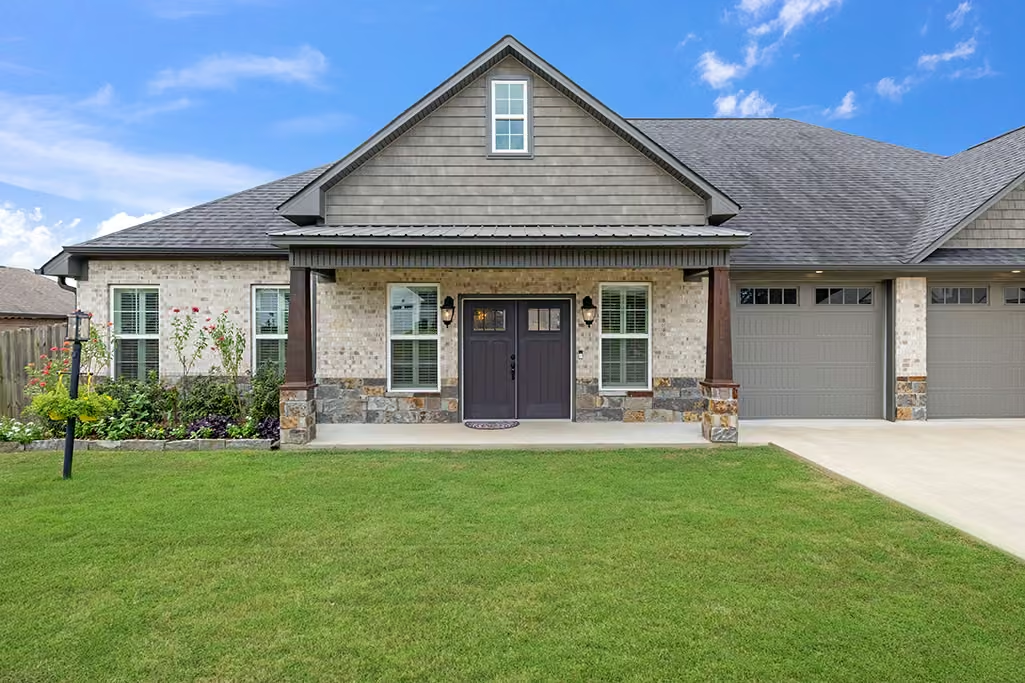
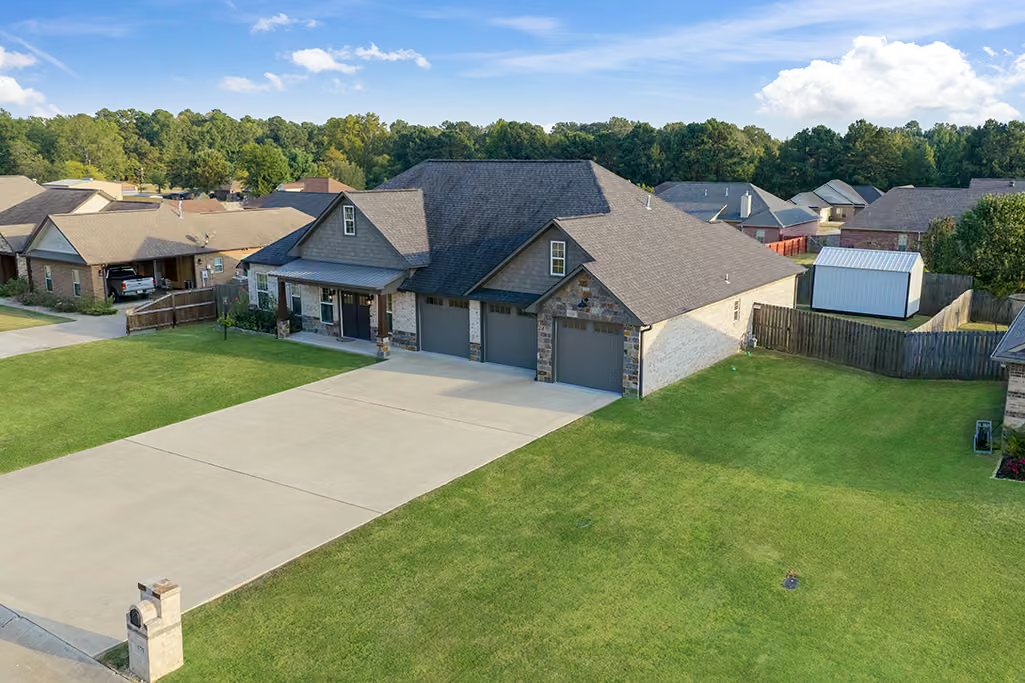
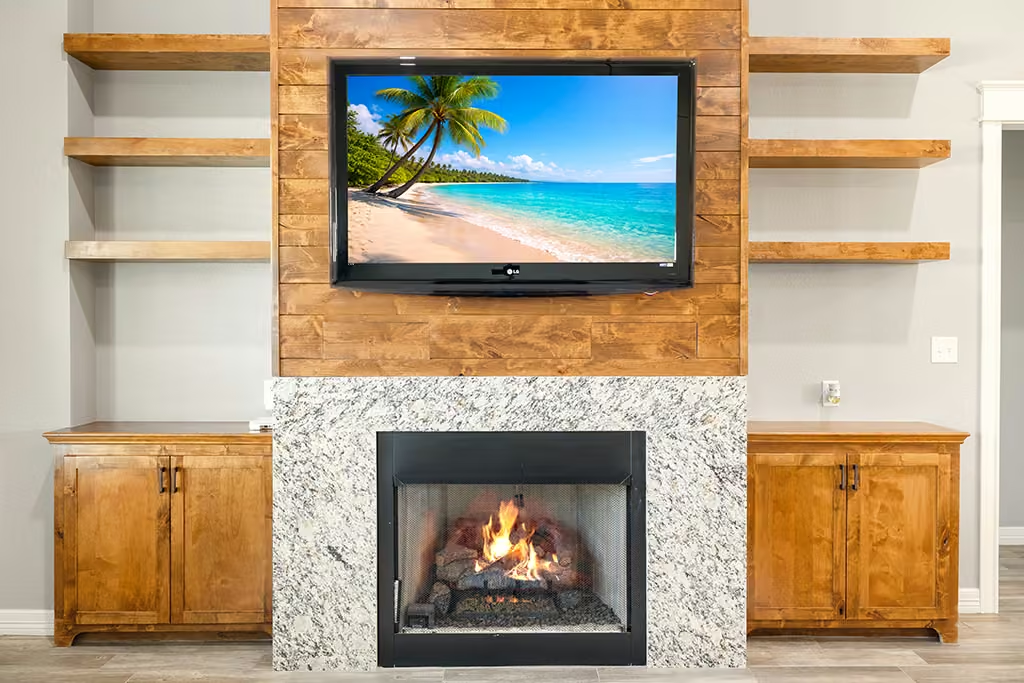
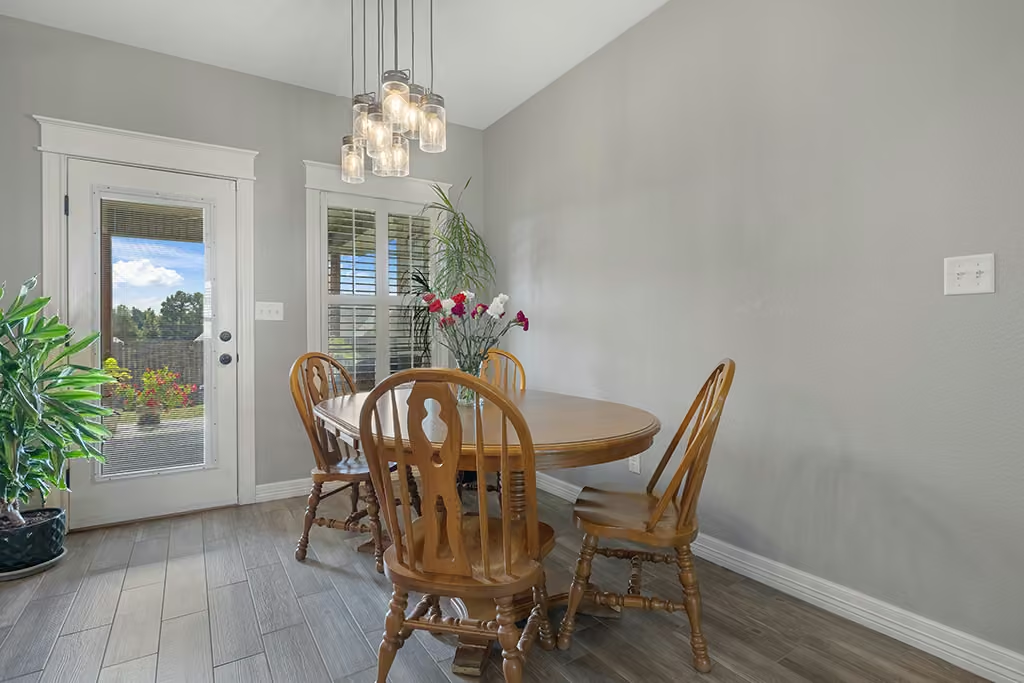
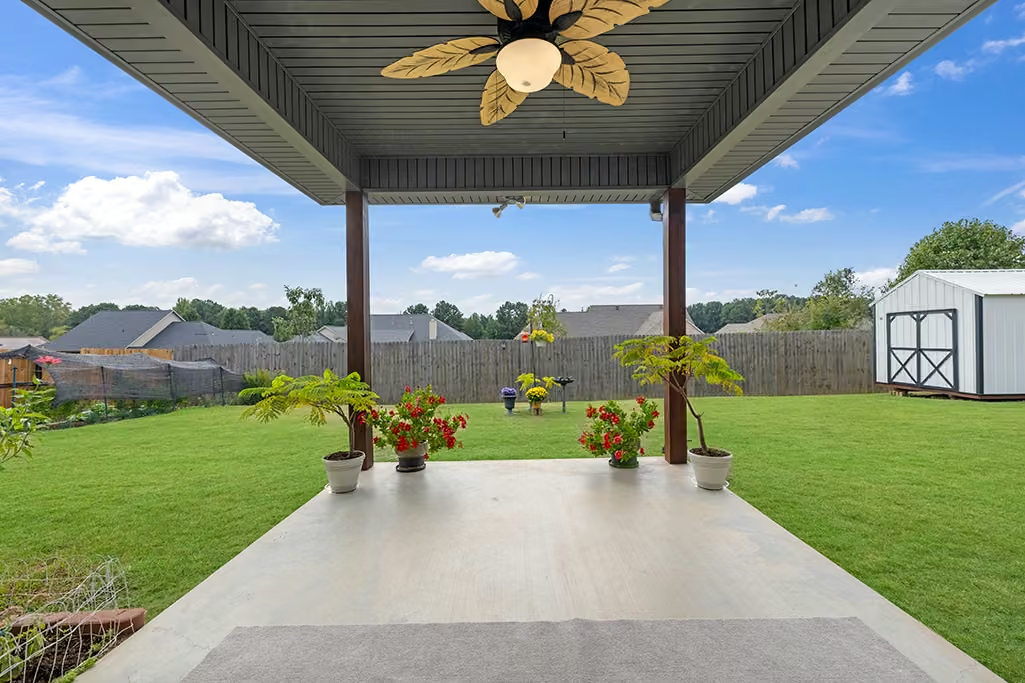
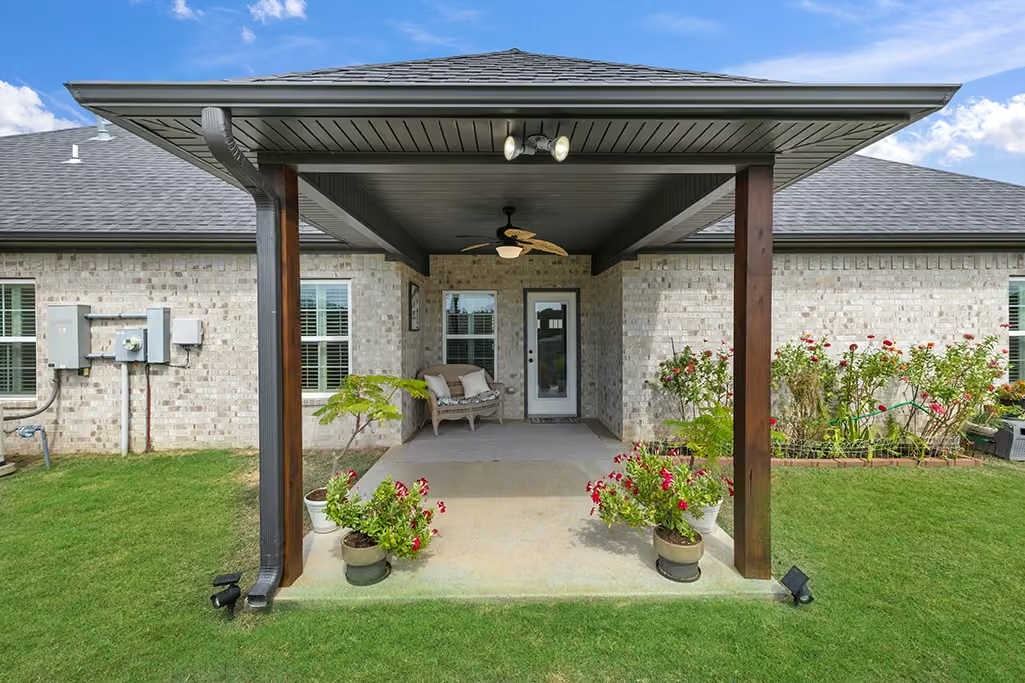
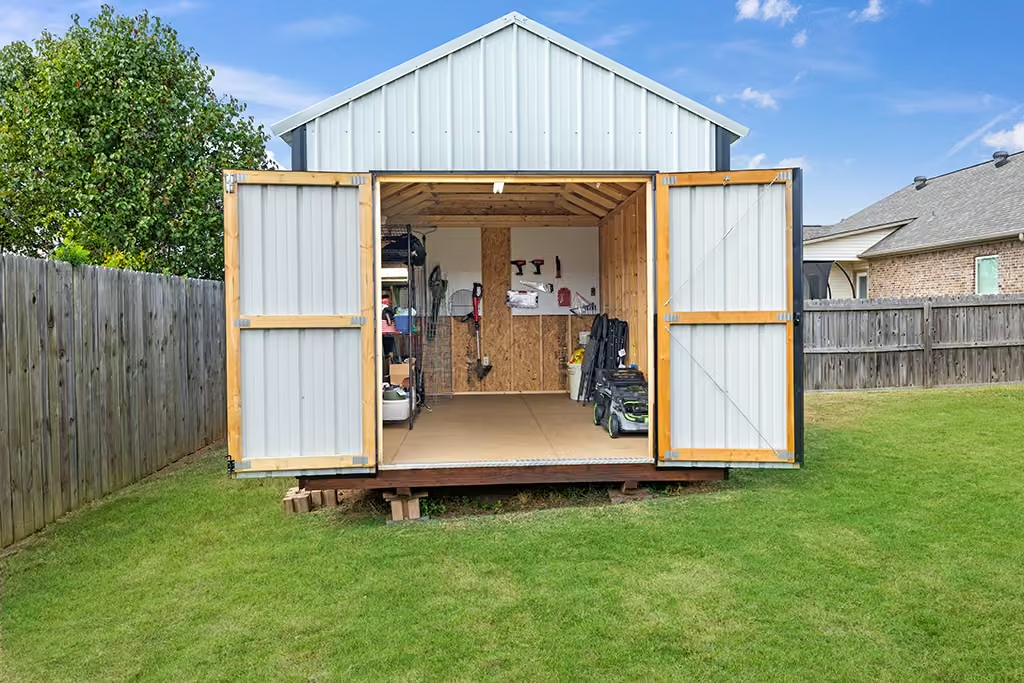
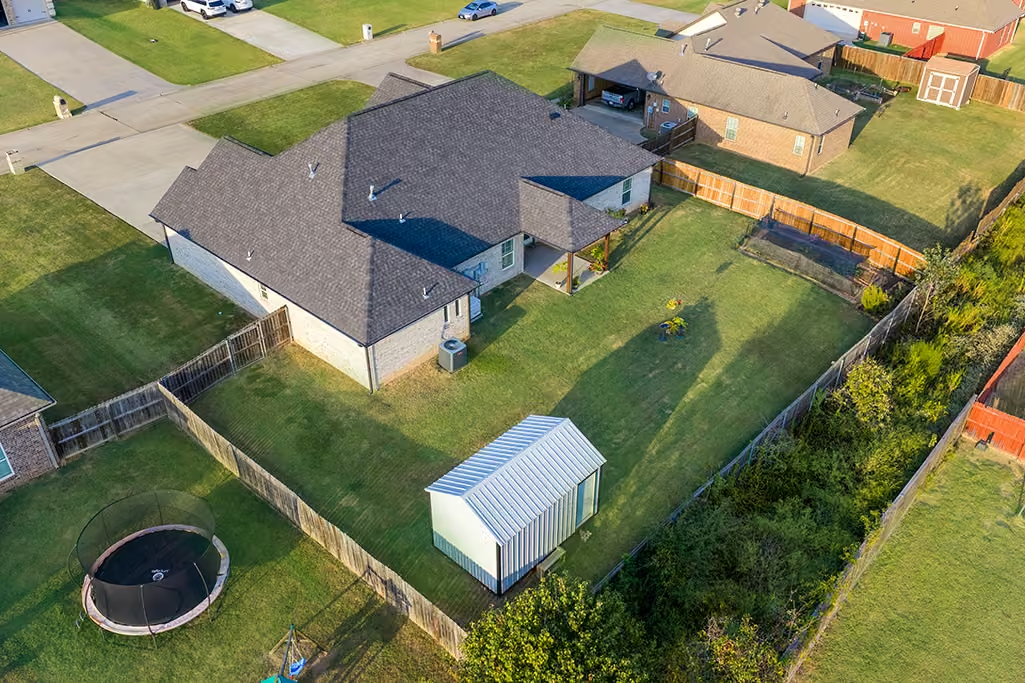
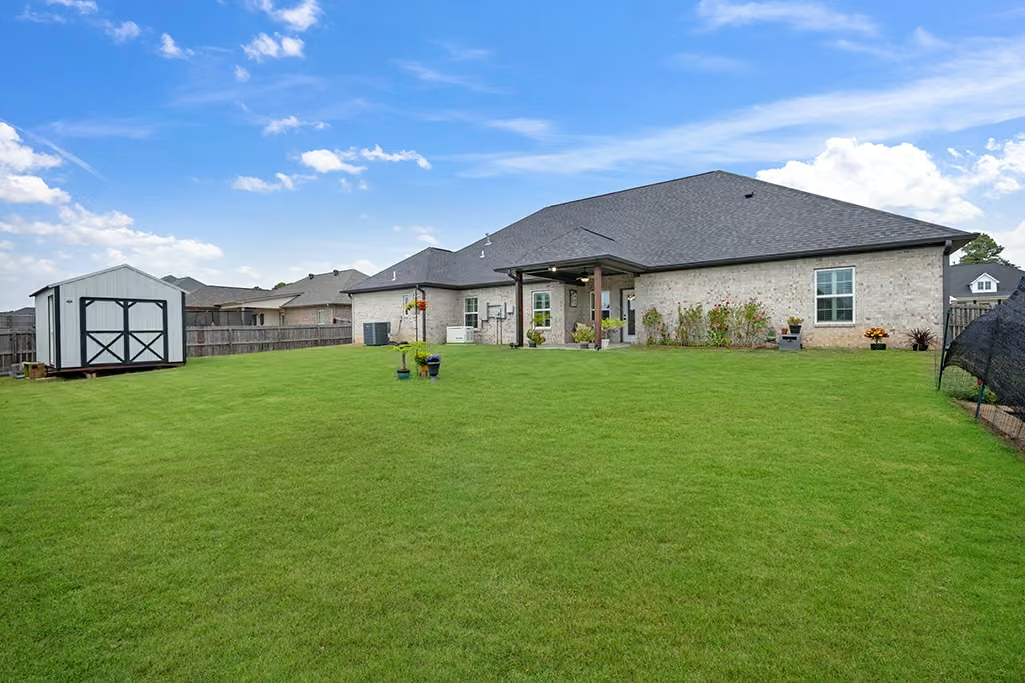
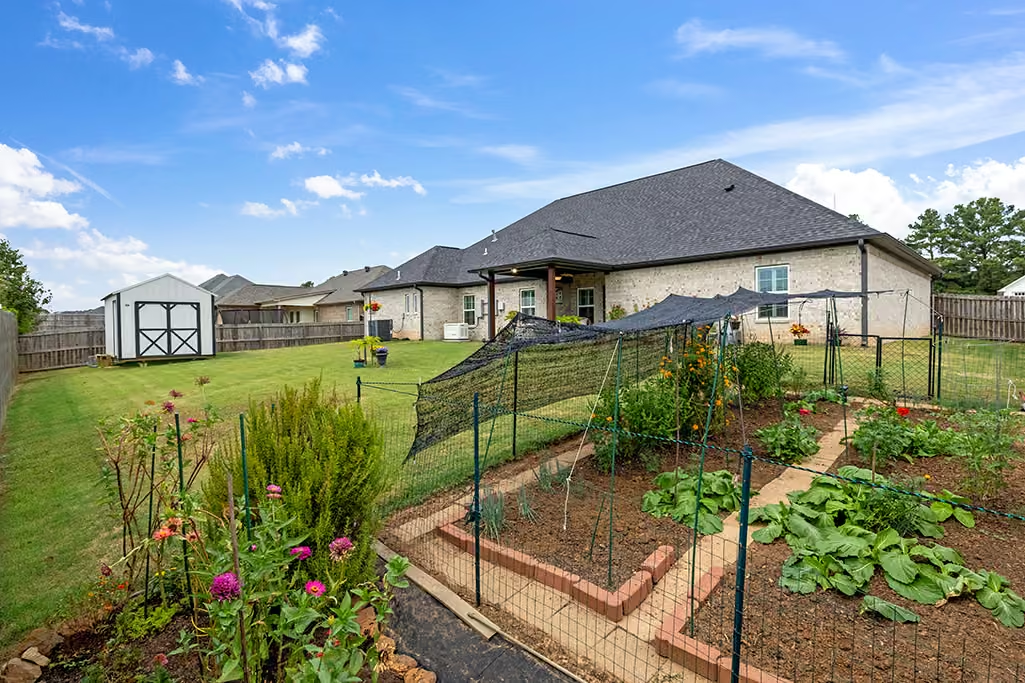
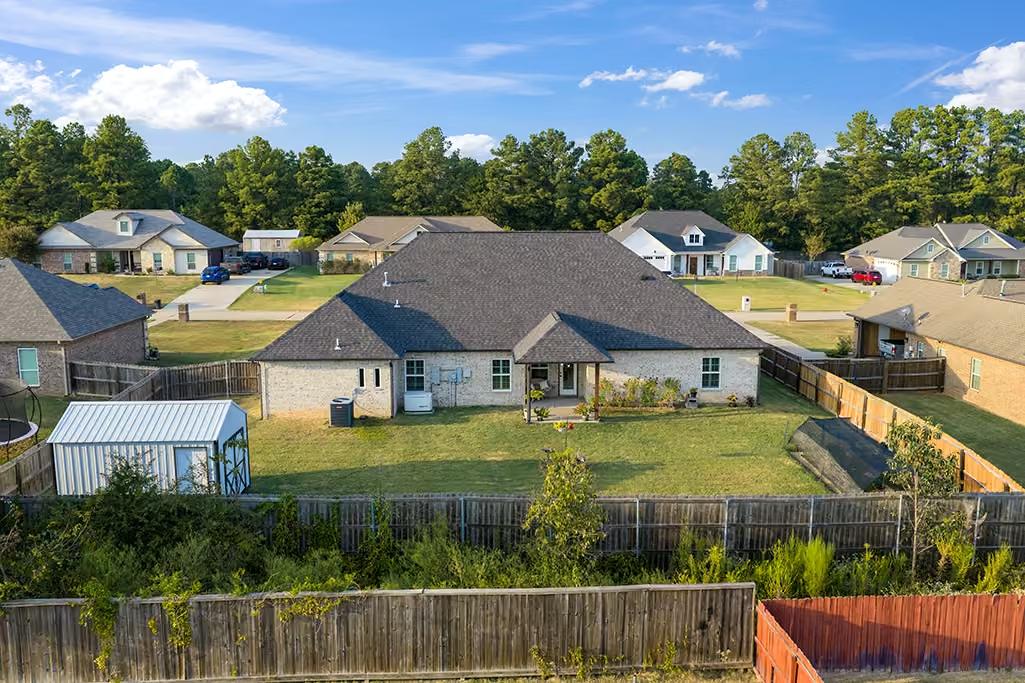
This Real Estate Media project combined professional photography, aerial drone coverage, cinematic video, a Zillow 3D Tour, and a detailed floor plan into one complete listing package. Each format gives potential buyers a different way to experience the property online. Interior and exterior images highlight the home visually, while video, aerial views, and interactive media help provide a better sense of space, layout, and overall presentation.
A More Complete Way to Market a Property
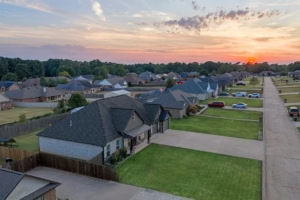
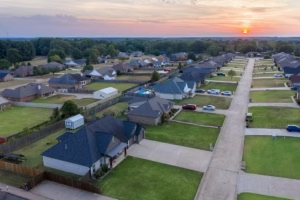
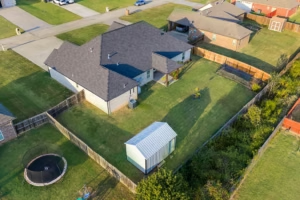
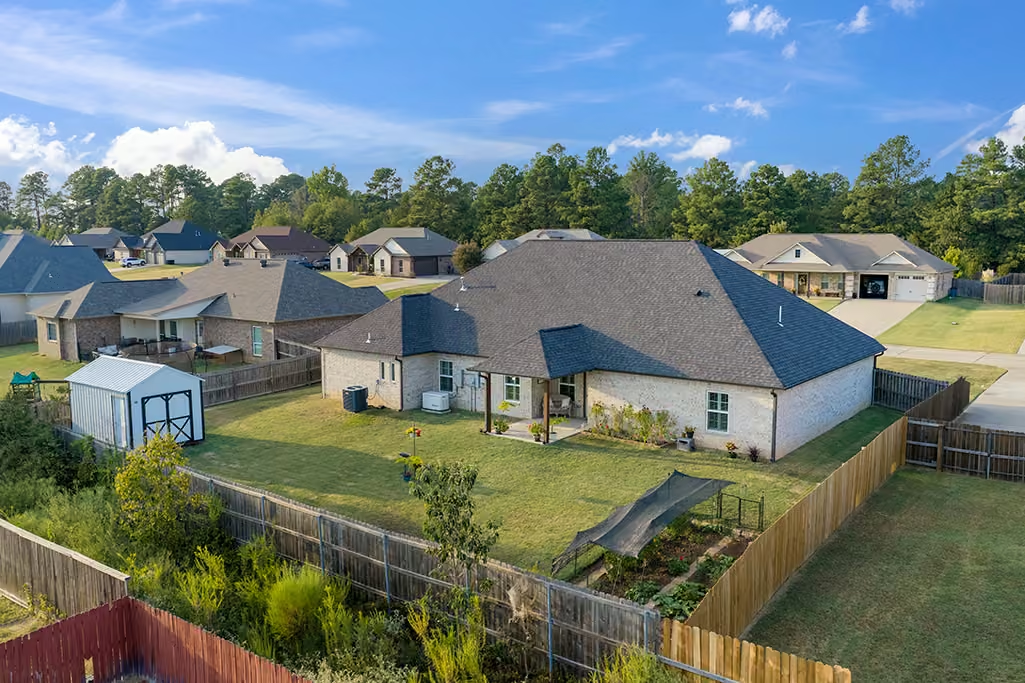
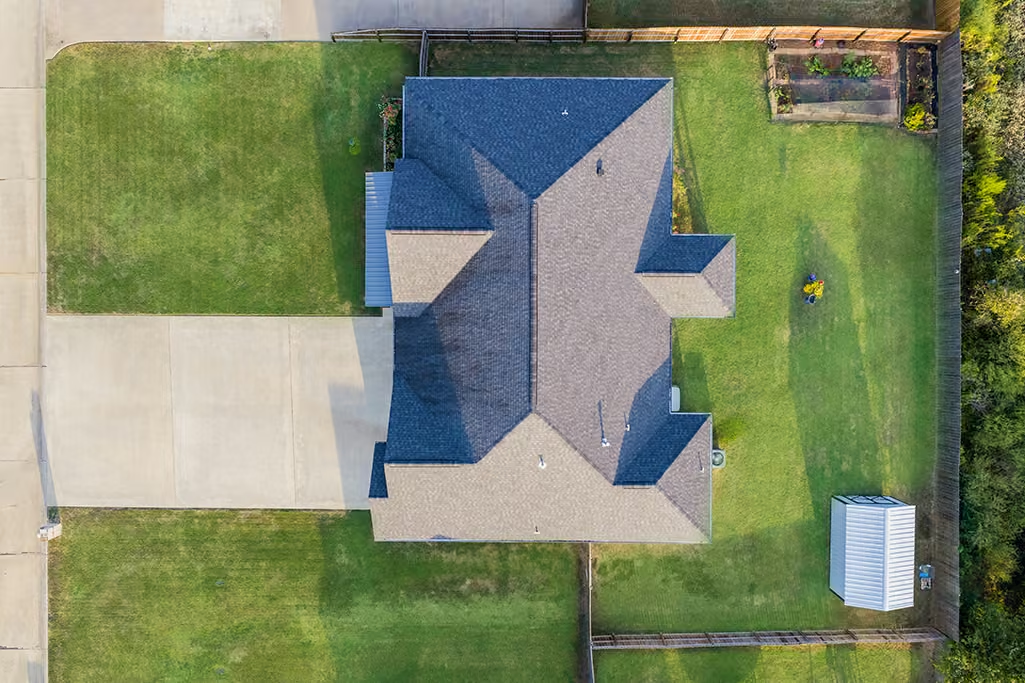
Professional real estate photography captures the rooms, finishes, and details buyers want to see first. Real estate video helps connect those spaces and creates a more natural sense of movement through the home. Drone photography adds valuable exterior perspective, while the Zillow 3D Tour allows buyers to explore at their own pace. The floor plan completes the experience by making the property’s layout easier to understand before an in-person showing.
Real Estate Media Included With This Project
✓ Professional HDR interior and exterior photography
✓ Aerial drone photography
✓ Professional image editing and color correction
✓ Cinematic real estate video
✓ Zillow 3D Tour (Click to view)
✓ Detailed property floor plan
Using multiple types of Real Estate Media gives buyers a more complete understanding of a listing before they ever step inside. Photography, video, aerial imagery, 3D tours, and floor plans work together to create a stronger online presentation for real estate listings throughout Texarkana.
Book Your Video Session
HDR Slideshow Video = 150
Cinematic Video = $300
Agent Tour Video = $400
HDR, Drone, 3D Tour & Floor Plan = $400
Book Your Photo Session
High-Definition HDR Photos = $200
Aerial Drone Photography = $200
HDR & Drone Photo Bundle = $300
HDR, Video, 3D Tour & Floor Plan = $550




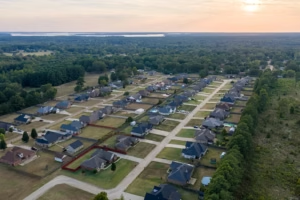
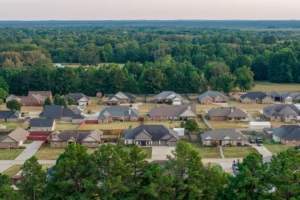
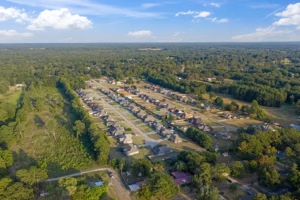
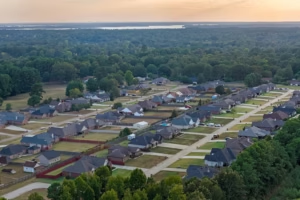


3D Home Tour and Floor Plan
FAQs
What is real estate media?
Real estate media is the visual and digital content used to present a property to potential buyers online. It can include professional real estate photography, aerial drone images, cinematic video, 3D tours, floor plans, and short-form content for social media. The goal is to help buyers understand a property before they schedule a showing. Good real estate media does more than make a home look attractive. It can show how rooms connect, reveal exterior features, provide aerial context, and make the overall layout easier to understand. Because many buyers begin their search online, the quality of that first visual experience matters. A complete media package also gives real estate agents useful content for the MLS, property websites, social media, email marketing, and other places where buyers discover listings each day.
Why do real estate listings underperform without professional media?
Real estate listings can underperform without professional media because buyers often make quick decisions while scrolling through properties online. Dark rooms, uneven color, poor composition, or missing exterior views can make a home harder to understand and easier to skip. Professional photography gives buyers a cleaner, more accurate look at the property, while video, drone images, 3D tours, and floor plans add context that photos alone may not provide. Strong real estate media also gives agents more material to use across the MLS, websites, social media, and digital advertising. It cannot guarantee a faster sale or higher price because market conditions still matter. However, professional media can help create a stronger first impression and give serious buyers more useful information before they decide whether to schedule a showing online today.
How can social media help real estate agents?
Social media helps real estate agents put listings in front of buyers, sellers, and people who may share a property with someone they know. The strongest results usually come from using quality real estate media instead of repeatedly posting the same MLS link. Professional photos can introduce the property, short videos can show how the home flows, and drone footage can reveal features that are difficult to explain in text. Reels and other short-form videos work well for quick discovery, while Facebook posts can include more details and encourage local sharing. Social media also shows future sellers how an agent markets homes. That matters when owners are comparing agents. The goal is not to post constantly, but to publish content that gives viewers a reason to stop, look, and learn.
How often should real estate agents post on social media?
Real estate agents should post often enough to stay visible without sacrificing quality or repeating the same message. For many agents, three to five useful posts per week is more sustainable than trying to publish several times every day. One listing can provide enough real estate media for multiple posts, including professional photos, a short video, drone footage, a 3D tour preview, an open-house reminder, and a price update if needed. Spacing those pieces out gives the property more opportunities to be seen without making every post look identical. Consistency matters more than chasing a perfect posting schedule. Agents should watch which formats generate views, clicks, comments, saves, and inquiries, then adjust over time. A smaller number of strong posts does more for a professional brand than frequent low-quality content.
How should real estate agents advertise a listing on social media?
A good social media campaign for a real estate listing starts with the strongest visual assets, not a long sales pitch. Use professional photography for image posts, vertical video for Reels and short-form platforms, and drone footage when the property benefits from an aerial view. Keep the opening message specific and give people a reason to stop scrolling, such as a notable room, outdoor feature, acreage, or recent update. Real estate media can then be reused in several formats instead of placing everything into one post. Agents should also direct people to the full listing or property page when possible, where buyers can view additional photos, a 3D tour, floor plan, and complete property details. Consistent visuals and accurate information make the listing easier to recognize, understand, and explore online.
How can real estate agents automate social media for listings?
Real estate agents can automate parts of social media marketing by using scheduling tools to prepare posts in advance and publish them at planned times. Automation works best for organization, not for replacing thoughtful content. A complete real estate media package makes scheduling easier because the agent already has professional photos, videos, drone clips, and other assets available. Those pieces can be spread across several days instead of being posted all at once. Agents should still adjust captions, image sizes, video orientation, and calls to action for each platform. Automatically posting the same message everywhere can feel repetitive and may not fit the audience. Scheduling saves time, but timely updates still matter. Someone should also be available to answer questions, respond to comments, and follow up with potential buyers online.
How do you do social media marketing for real estate?
Social media marketing for real estate works best when it combines useful information with strong visual content. Start with a goal for each post, such as introducing a new listing, promoting an open house, highlighting a property feature, or reaching potential sellers. Real estate media gives agents the material to support those goals through professional photography, short videos, drone footage, 3D tours, and floor plans. Instead of publishing everything at once, break the content into smaller posts that each have a purpose. Use captions that explain what viewers are seeing rather than filling them with generic sales language. Link interested people to the full listing when appropriate. Over time, track which posts lead to clicks, messages, showing requests, or conversations so the marketing strategy can be adjusted based on results.
How can real estate agents get leads on social media?
Real estate agents can get leads from social media by giving people reasons to engage instead of treating every post like an advertisement. Listing content is one part of that strategy. Professional photos, short videos, drone views, and walkthrough clips can attract attention, but the next step should be obvious. That might be viewing the full listing, requesting a showing, asking for property details, or contacting the agent about similar homes. Agents can also share market updates, neighborhood information, buying tips, and examples of how they market properties for sellers. Strong real estate media helps those posts look credible and consistent. Lead generation usually comes from repeated visibility and trust rather than one viral post. Track messages, website clicks, inquiries, and appointments so you know which content is producing results.
How can real estate agents grow their social media presence?
Real estate agents can grow their social media presence by being consistent, useful, and visually recognizable over time. Posting only when a new listing arrives can make an account feel inactive, so mix property content with market updates, neighborhood information, recent sales, open houses, and practical advice. Quality real estate media gives agents professional photos and video that can be reused in different formats. One listing might provide a photo carousel, a Reel, a drone clip, and several feature posts. Engagement matters too. Reply to questions, respond to comments, and participate in local conversations instead of only broadcasting advertisements. Growth is usually gradual, so focus on reaching the right local audience rather than chasing follower numbers. Consistent, useful content builds familiarity and gives people more reasons to remember the agent.
How should a real estate agent use social media?
A real estate agent should use social media as part of a marketing strategy rather than treating it as a separate task. Listing posts are important, but an account can also include market updates, neighborhood information, open houses, recent sales, and answers to common buyer or seller questions. Real estate media provides the visual foundation for property-related posts. Professional photos can introduce a listing, short videos can highlight individual spaces, and drone clips can add useful exterior context. Agents should choose the platforms they can manage consistently instead of trying to be everywhere. Keep property information accurate, respond to messages promptly, and make it easy for interested people to find the full listing or contact the agent. The goal is to build familiarity, trust, and useful local visibility over time.
What is the best social media platform for real estate?
There is no best social media platform for every real estate agent because the right choice depends on the audience and the type of content being shared. Facebook remains useful for reach, community groups, property posts, and longer descriptions. Instagram works well for photography, Reels, Stories, and visually driven listing content. YouTube is valuable for longer real estate videos and searchable property content. The important part is matching the real estate media to the platform instead of uploading the same file everywhere. Vertical video fits social feeds better, while horizontal video is often a better choice for websites and YouTube. Agents should focus on the platforms where they can post consistently and where local buyers and sellers spend time. Quality and consistency matter more than trying to maintain every account.
What should real estate agents post on social media?
Real estate agents do not have to post only new listings. A useful content mix can include professional listing photos, property videos, drone clips, open-house reminders, price updates, recent sales, and new-listing announcements. Agents can also share local market information and behind-the-scenes content that shows how a property is prepared for the market. Real estate media makes this easier because one photo and video session can create content for several posts instead of a single MLS upload. A horizontal property video can support YouTube or a website, while vertical clips can be used for Reels and other short-form platforms. The strongest posts usually have one clear purpose. Choose one feature or idea, explain why it matters, and direct interested viewers to the full listing when they want additional details online.
Why is social media important for real estate?
Social media is important for real estate because it gives agents a way to reach people before they visit a real estate website or search the MLS. A buyer may discover a property through a Facebook post, an Instagram Reel, a short video, or a community group. Sellers also notice how agents present listings online, so social media can demonstrate the quality and consistency of an agent’s marketing. Real estate media plays a role because strong photos and video are easier to notice and share than text-only posts. Social media should not replace the MLS, a property page, or direct communication with qualified buyers. Instead, it extends the reach of those tools and gives a listing more opportunities to be discovered by people who may otherwise never see the property.
How do you make real estate videos for social media?
Real estate videos for social media should be planned around the way people watch content on their phones. Start with a strong visual in the first few seconds, such as the exterior, kitchen, pool, view, or another feature that shows what makes the property interesting. Vertical video is usually the best format for Reels and other short-form feeds, while horizontal video works well for websites and YouTube. Keep camera movement smooth and avoid making every clip too fast. Buyers still need enough time to understand the room. Good real estate media should feel connected, so the video should move through the property in a logical order when possible. On-screen text can add useful details, but it should support the visuals rather than cover them. End with a clear next step.
How should real estate photos be used on social media?
Real estate photos can do much more than fill a single listing post. Start with the strongest exterior or interior image as the lead photo, then use images to tell stories about the property over time. One post might focus on the kitchen, while another highlights outdoor living, a primary suite, acreage, or a recent update. Real estate photography can also be cropped for different social media formats, as long as features are not cut off or distorted. Avoid adding so much text or graphic decoration that the property becomes difficult to see. Real estate media works best when the home remains the focus. Pair photos with concise property details and direct interested viewers to the listing, where they can explore the full gallery, video, floor plan, or 3D tour.